
Culturally responsive pilot program helps young African people turn their lives around
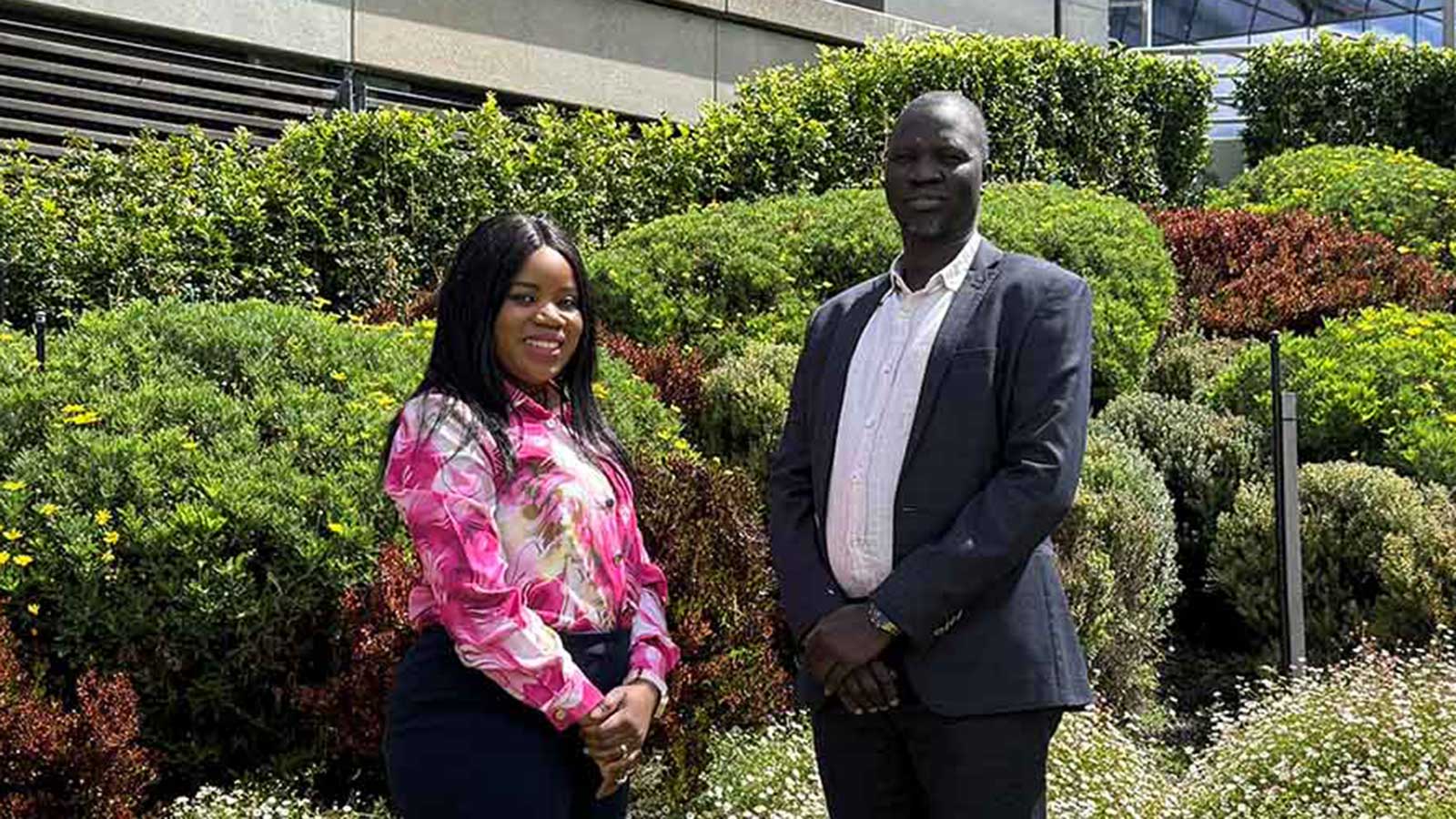
Sandra McTaggart and David Nhial
The African Community Response (ACR) program was jointly developed by the Department of Human Services (DHS) and the Attorney-General’s Department (AGD) to support young African South Australians at risk of offending. Based on a model built on community voices and grounded in relationships, the program combines professional youth work with deep cultural understanding to build trust, help young people re-engage with education and employment, and strengthen their family and community connections.
After a successful 12-month pilot that delivered strong positive outcomes for nine participants, AGD’s Justice Rehabilitation Fund is providing more than $600,000 in funding to continue the program for another two years.
An independent program evaluation report by the University of South Australia showed that of the 10 participants, most recorded significant improvements in wellbeing, behaviour and engagement with several reducing or ceasing offending altogether:
- 60% reported stronger family relationships, with parents reporting less stress and fewer crisis call-outs.
- 50% re-engaged with education or training, preventing further drift into risky peer networks.
- 50% accessed culturally safe counselling, helping reduce stigma and address trauma.
- 40% focussed on with sport, work or gym activities replacing risky peer time, and several actively distanced from antisocial groups.
- 30% improved compliance with bail, court and detention requirements, showing better curfew adherence.
- 20% gained ongoing employment.
- 20% achieved greater housing stability.
These outcomes were made possible through trust-first engagement, culturally matched mentoring, practical problem-solving, and close coordination with schools, families and community services.
The additional funding will help build on what’s working well and provide greater stability for participants and their families.
A model built on culture, care and connection
The ACR program draws on DHS’ long history of working with First Nations and multicultural communities, adapting proven elements from Aboriginal “auntie and uncle” mentoring models to support African youth aged 10 to 18.
All ACR practitioners are qualified youth or social workers who also come from African cultural backgrounds. Fluent in multiple languages and grounded in their own lived experience, they act as cultural mentors and professional practitioners, helping young people navigate systems, rebuild relationships, and rediscover pride in their identity.
"We work as a team, and the young people know us as aunty and uncle. We put our professional skills together with our cultural skills. This helps us explain the program responsibly to the young people, and build that rapport, but it also helps the parents to trust us and know that DHS is here to help them." says David Nhial, DHS Practitioner African Communities.
“The combination of cultural understanding and professional skill makes all the difference,” says Sandra McTaggart, DHS Outreach Worker African Community Response program. “It allows us to meet young people where they are, not where the system expects them to be.”
DHS continues to work in close collaboration with Community Youth Justice, SAPOL, the Department for Education and Multicultural Communities Council of SA for the referral of participants.
Helping young people find their path and purpose
When young people join the ACR pilot program, they are often at a point in their life where they are struggling to find their place in the world – sometimes angry or withdrawn due to family conflict and exposure to violence. Behind a tough exterior and brushes with the law, there’s often just a young person searching for belonging.
Through the ACR program, they find a new sense of identity, purpose, and connection. ACR workers meet with participants and their families, listen to their stories and help rebuild trust.
"We let them know it's a new program and that it's the first time the South Australian government have offered a program like this for young people that are disconnected or have ended up having contact with the justice system. There is also Empowering African Youth Program now, run by DPC. They are spreading the supports for the whole community whereas ACR steps in when someone needs the extra help, especially if they've ended up making mistakes or Police have had to step in." says David.
Sometimes simple changes – like being able to speak with a government worker in their own language without an interpreter – can change a lot. “It makes the family feel seen and heard, and it opens the door for real collaboration,” says Sandra.
Through conversations about heritage, storytelling, and cultural pride, participants reconnect with their African roots and start to see themselves differently: not as troublemakers, but as part of a strong and resilient community.
Structure, support and success
With cultural connection as the foundation, the team of youth and social workers work alongside participants to help them return to school and explore pathways that match their interests. Practitioners help bring structure to their lives, supporting them through re-enrolment meetings, linking them to education or training, and encouraging participation in sport and other positive activities.
"We teach them to respect the system, the institutions, like school and the courts, because they are made for everyone. This can be as simple as sitting with the young person in court, helping them get their ID card, link them back with Centrelink, meet their youth justice obligations, get to their family conferences and understand how to talk to legal aid. That's our role as aunty and uncle - we say to the kids "let's do it!" - and they realise they can change, do their community services, get access to youth homelessness supports... it all falls under empowering them. Empower them to be a good citizen and show them they can be both African and Australian and have a good life.” says David.
Real change, real results
For many participants, the difference is clear: “Most have gone from avoiding school to planning their future,” says Sandra. “They are rebuilding trust with their families and contributing to their community. That’s what success looks like.”
“It’s a powerful reminder that when young people are met with understanding, respect and the right kind of support, change is possible.”