
Making room for connection this Loneliness Awareness Week
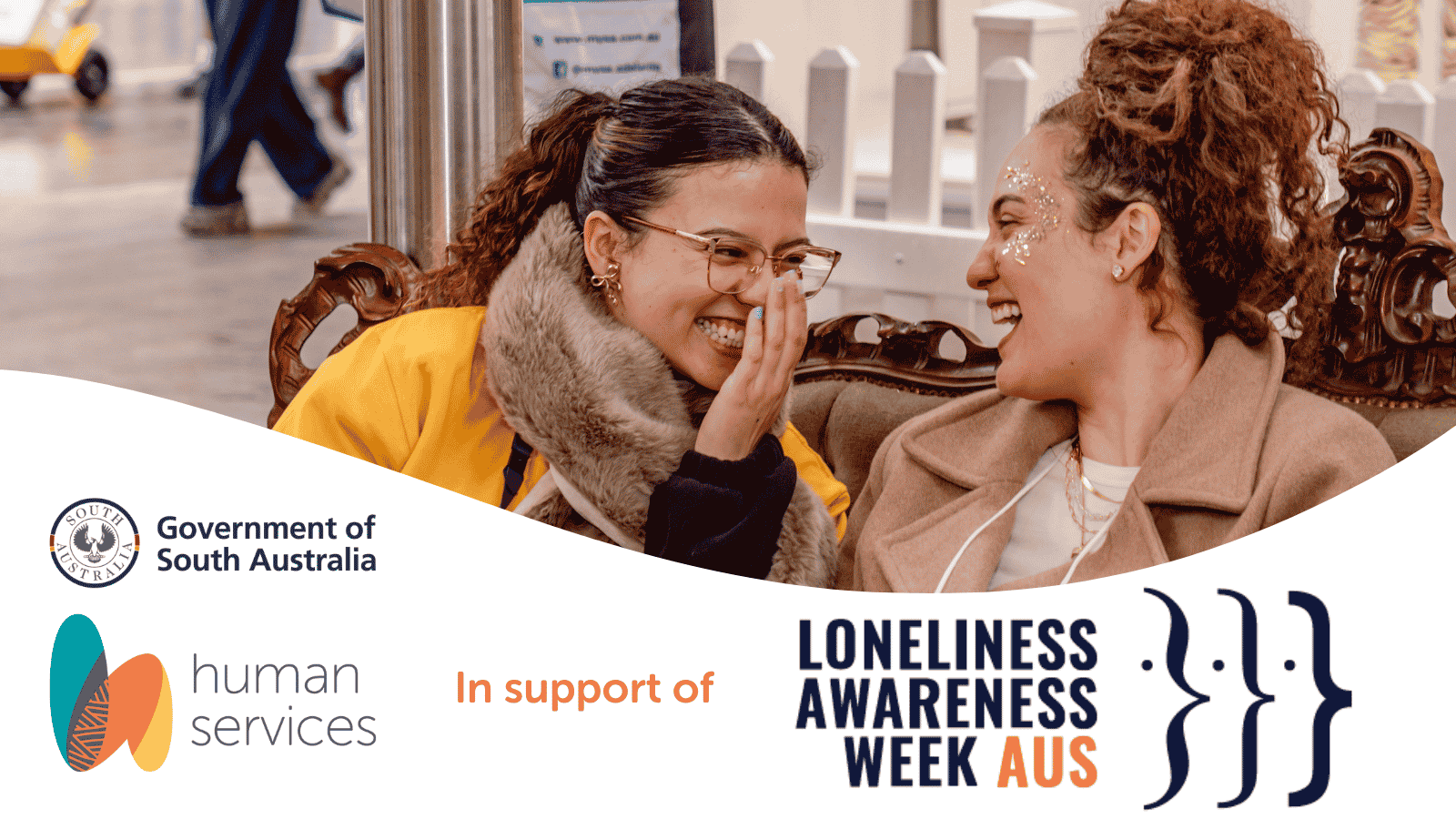
A cup of tea. A friendly chat. An invitation to join in.
Small moments like these can help people feel seen, welcome and part of their community.
During Loneliness Awareness Week, from 3 to 9 August 2026, South Australians are being encouraged to make room for connection at home, at work and in the community. This year’s theme is Make room to connect.
Loneliness affects many South Australians
New research shows that loneliness and social isolation are common across South Australia.
The State of the Nation 2026 report found:
- 51% of South Australians experience loneliness, social isolation or both
- 31% experience loneliness, including people who are also socially isolated
- 42% experience social isolation, including people who also feel lonely
- 22% experience both loneliness and social isolation, compared with 19% across Australia.
South Australia’s overall rate of social disconnection is the same as the national rate of 51%. However, the proportion experiencing both loneliness and social isolation is slightly higher in South Australia. The report says the differences between states are small and are not statistically significant.
Loneliness and social isolation are related, but they are not the same.
Loneliness is the feeling that our relationships do not meet our needs. Social isolation means having few relationships, social contacts or opportunities to spend time with others.
A person can be surrounded by people and still feel lonely. Another person may spend a lot of time alone but not feel lonely.
Small steps can build connection
Associate Professor Michelle Lim is the CEO and Scientific Chair of Ending Loneliness Together, which produced the report.
Speaking to ABC News about forming meaningful relationships, she said: “Relationships take time … and it’s really those little steps and little effort and being more open and curious.”
The report supports this message. It found that spending time with friends, talking to neighbours, attending community events and volunteering can all help protect people from loneliness and social isolation.
Helping people find their community
The Department of Human Services supports connection through our Community Connections Program.
The program provides short-term support for South Australians aged 18 to 64 who want to become more involved in their community. It supports people who are not eligible for programs such as the NDIS or My Aged Care.
Community Connections is delivered by local program partners across South Australia. Partners help people meet others, take part in activities and build supportive relationships that can continue after they leave the program.
During Loneliness Awareness Week, our partners are hosting free activities across metropolitan and regional South Australia.
Activities include coffee catch-ups, community lunches, art, games and welcoming places where people can meet others. Events are being held in areas including Mitchell Park, Adelaide, the western suburbs, the Fleurieu Peninsula and Kangaroo Island.
A welcoming room for Arabic-speaking women
In Adelaide’s west, Community Connections partner Community Access and Services SA, known as CAASSA, is helping Arabic-speaking women form friendships and feel part of their community.
The CAASSA Arabic Women’s Group was created after local women said they wanted more chances to meet and talk in their own language. Some women faced language barriers or had few opportunities to meet people outside their homes.
The group offers a safe women-only space where participants can talk, learn and enjoy activities together. These include cooking, exercise, arts and crafts, outings and health information sessions.
Since the group began in 2024, women have built friendships, grown in confidence and learned more about local services. Strong attendance and a waiting list show how important the group has become. More than 120 women also attended a recent Arabic Women’s Night filled with food, dancing, laughter and connection.
A new video (YouTube 3:51 mins) shares the stories of two group members and what finding connection has meant to them.
Sparking new friendships in the Adelaide Hills
The SPARK program is also bringing people together across the Adelaide Hills.
Spark grew from a community research project between the University of South Australia and The Hut Community Centre. Local men helped design practical ways to reduce loneliness and build social connection.
The Office for Ageing Well supported the original project through a $40,000 Positive Ageing Fellowship Grant. Community Connections also provided just over $3,000 for Spark activities delivered by The Hut and Mount Barker Community Centre.
Spark now offers:
- weekly conversation groups in cafes and other local venues
- a men’s group with pool, darts, cards and company
- a monthly club for people who work remotely
- nature walks
- creative workshops.
These activities give people a shared interest and a welcoming place to start a conversation.
Supporting connection as we age
Our Office for Ageing Well supports South Australians to stay active, connected and involved as they grow older.
South Australia’s Plan for Ageing Well 2026–2036 recognises that neighbours, friends, walking groups and community centres can provide important support during life changes such as retirement, illness or the loss of someone close.
This work will continue during South Australia’s Week of Ageing Well, which begins on 1 October. South Australians will be encouraged to take simple steps such as checking in with a neighbour, contacting an old friend or joining a local activity.
Make room for someone this week
Everyone can help create connection.
You could invite someone for coffee, introduce yourself to a neighbour, contact a person you have not spoken to recently or attend a local event.
A small invitation may feel simple, but it could help someone feel that there is a place for them.
Find a Loneliness Awareness Week activity near you or learn more about the Community Connections Program and its local partners.