

Event details
Date: Tuesday 14 October 2025
Time: 10:00 am to 3:30 pm (arrival at 9:30 am)
Location: Noel Lothian Hall, Adelaide Botanic Gardens
Feedback
Please share your feedback and contribute to important conversations about this topic and inform future professional development opportunities.
Event materials
Seeing the person and the practice in the whole system
Trinh Mai, Social Worker, Senior Authorising Officer Restrictive Practices Unit
 Trinh Mai is the inaugural Senior Authorising Officer in South Australia. Trinh has more than 20 years' experience in the public sector leading legislative reform, strategy, policy and direct practice across child protection, family support, complaints and advocacy, education, and disability sectors. Drawing on her qualifications in Behavioural Science, Social Work and Law, Trinh brings a multi-disciplinary lens to supporting people with disability in the Restrictive Practices Authorisation Scheme. Trinh leads a team of four social workers in the Restrictive Practices Unit.
“Social workers drive change in the conditions around a person that contribute to their inclusion and engagement, and provide them with the tools they need to be the best versions of themselves.”
Watch a recording of See the Person, See the Practice in the whole system (YouTube 35min)
See the person, see the practice in the whole system (PDF 2.7 MB)
Culture-bound syndromes in Aboriginal Australian populations (PDF 692.3 KB)
Empowering movement
Nicolle Macaitis and Dr Michelle McDonnell, Physiotherapists
Dr Michelle McDonnell and Nicolle Macaitis are passionate physiotherapists with over 50 years of combined experience working with those with neurological and other complex presentations across a variety of settings. Both Michelle and Nicolle currently work in the Northern Adelaide Local Health Network’s division of Aged Care, Rehabilitation and Palliative Care, within multidisciplinary teams (in patient, community and centre-based services). Speciality clinics are also operated through this division, including the spasticity clinic, for which Michelle is the Senior Physiotherapist.
"Physiotherapists provide strategies for individuals with disabilities by problem solving ways to help people sit, stand and move better"

Watch a recording of Empowering movement (YouTube 48min)
Empowering movement (PDF 3.0 MB)
Pharmacists are the medicines experts
Manya Angley, Pharmaceutical Society Australia - President, SA
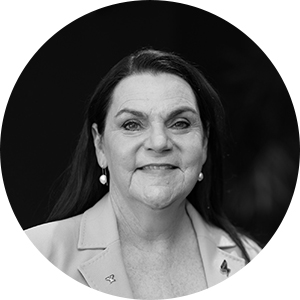 Adjunct Professor Manya Angley is an Advanced Practice Pharmacist. Manya spent the first 20 years of her career as a teaching and research academic at the University of South Australia. Her professional activities are focused in general practice, disability and aged care. She continues to undertake research in medicines safety at care transitions and quality use of medicines in the aged care and disability sectors. Manya has held the position of SA/NT Branch President of the Pharmaceutical Society of Australia since July 2023 and been a member of the Branch committee since 2021 and was previously vice-president. Manya was the proud recipient of the Pharmaceutical Society of Australia (SA/NT Branch) Pharmacist of the Year (2021) and the Australian Association of Consultant Pharmacy MIMS Consultant Pharmacist of the Year (2021). Manya was appointed an adjunct Professor at the University of Western Australia in 2025.
Helen Stone, Pharmaceutical Society SA, State and Territory Manager SA /NT
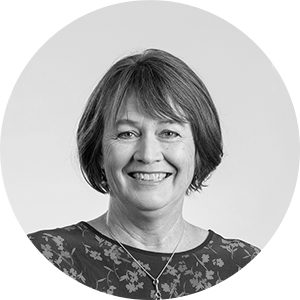 Helen is the State and Territory Manager SA & NT for the Pharmaceutical Society Australia. Her professional interests include palliative care, pharmacist professional services, mental health, leadership, and management.
With a strong vision for expanding pharmacist roles, Helen has effectively leveraged the expertise of GP pharmacists, aged care pharmacist pioneers and key research studies to implement funded service delivery programs. In recent projects, she has led teams of pharmacists in innovative pharmacy practice models including in aged care, GP practice, palliative care and dementia support. This has contributed to the body of evidence for sustainable funding for embedded pharmacist roles in primary care and aged care settings.
Helen is a member of the SA Palliative Care Clinical Network for the SA Commission on Excellence and Innovation in Health. Helen was appointed to the SA Voluntary Assisted Dying Review Board following her contribution to the implementation taskforce.
Recently, Helen was awarded a Fellowship of the Society in recognition of her significant advancement of the practice of pharmacist and outstanding contribution to the Society over an extended period of time.
"Medicines are the most common intervention in healthcare, and pharmacists are the medicines experts. Pharmacists are needed wherever medicines are prescribed, dispensed, administered, or reviewed, including identifying and tapering chemical restrictive practice in people with disability."
Watch a recording of Pharmacists are the medicines experts (YouTube 51min)
Pharmacists are the medicines experts (PDF 3.3 MB)
Medicine safety: Disability care (PDF 2.4 MB)
Development differences and support for children in care
Mark Turner, Clinical Psychologist and Manager, Specialist Services Team, Department for Child Protection
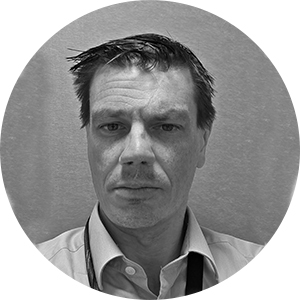 Mark is a psychologist with over 2 decades of experience working with children, young people, families and carers in the areas of disability, early childhood development, education and mental health. Mark is the Manager of the Specialist Services Team within the Department for Child Protection’s Disability and Development Program.
"In supporting children and young people living in residential care who have trauma impacts and/or disabilities, psychologists are uniquely positioned to support care teams to understand psychometric assessment results and assist care teams to appropriately tailor their support and interactions to meet the disability and developmental needs of children and young people in their care."
Lauren Busch, Lead Clinician, Developmental Educator
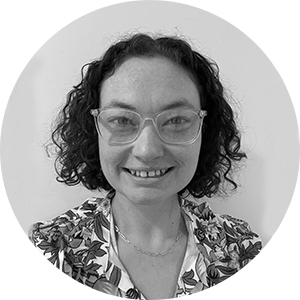 Lauren is a Developmental Educator with 15 years’ experience working with children, young people, adults and their families and carers in both the public and private sectors. She has strong interests in the areas of youth justice, trauma informed practice for young people living in out of home care and sexuality and sexual health for individuals with a disability. Lauren is currently a Lead Clinician in a multidisciplinary team of allied health professionals who provide specialist knowledge and guidance to support case workers and residential care staff when responding to the developmental and trauma related needs of children and young people in out of home care.
"Developmental Educators (DE’s) specialise in working with people with disability using a human rights framework to achieve full and effective inclusion and participation in society by considering the whole person and their sociocultural context through the promotion of autonomy and development of functional life skills."
Watch a recording of Development differences and support for children in out of home care (YouTube 33min)
Development differences and support for children in out of home care (PDF 1.1 MB)
Managing complexities in eating, nutrition and mealtime risk
Peta Cullis, Dietitians Australia
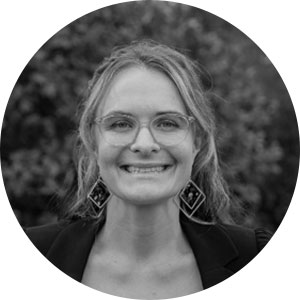 Peta is an Accredited Practising Dietitian with Ba. HSc (Nutrition & Dietetics), Cert IV in Training & Assessment, and is a Credentialed Clinical Supervisor. She brings advanced credentials in paediatrics and adolescence (Grad Cert), eating disorders (Credentialed Eating Disorders Dietitian; trained in Enhanced Cognitive Behavioural Therapy, Dialectical Behaviour Therapy, GSH and CBT-AR for ARFID), bowel & bladder/continence assessment and SOS feeding therapy. Additional qualifications include ISAK Level 1 Anthropometrist. Peta translates evidence into real-world results across NDIS and disability nutrition, aged-care menu reviews, community dietetics, and rural & regional health care.
"Dietitians in the disability sector manage complex eating, nutrition, and mealtime risks—ensuring safe, appropriate, and individualised food, fluid, and care practices that support health, behaviour, and wellbeing"
Watch a recording of Managing complexities in eating, nutrition and meal-time risk (YouTube 42min)
Managing complexities in eating, nutrition and meal-time risk (PDF 6.8 MB)