
On this page:
Foreword
From The Benevolent Society
The Resilient Families Program in South Australia has been in place for four years having commenced at our Melrose Park office in July 2021 and then moving into Murray Bridge in 2023. The program is based on our well-evidenced Resilience Practice Framework, which was developed by The Benevolent Society over 10 years ago and is the foundational framework for our work in Family Preservation in New South Wales, Queensland, and South Australia. Our Resilience Practice Framework has undergone a review and refreshed partnership with the Parenting Research Centre to ensure it is underpinned by the most contemporary evidence and supports the increasingly diverse communities we serve. The program continues to have high successful outcomes for families including a family preservation rate over 94%. The success of the program continues to be due to a combination of the practice frameworks robustness, the respectful and collaborative relationship between The Benevolent Society and our Department for Child Protection colleagues, and the quality of the service provision by our staff. We welcome the South Australian and Commonwealth Governments’ commitment to this work and, as this annual report will attest, the difference that this program makes to vulnerable South Australian’s lives daily.
Henrietta Foulds, Director Operations – South Australia and Central Sydney NSW
From Department of Human Services:
The Resilient Families Program continues to be a strong and impactful partnership between the South Australian Government and The Benevolent Society, delivering intensive family support services that prioritise the safety and wellbeing of children at risk. Now well-established within South Australia’s Child and Family Support System, the program’s innovative social impact investment model enables close collaboration across government and service partners, while also contributing to the growing evidence base for early intervention. In 2024-25, we are building on the success of previous years with continued strong preservation demonstrating the program’s effectiveness in supporting families to stay safely together. We thank The Benevolent Society for their continued commitment to delivering high-quality support services that make a real difference in the lives of South Australian children and families.
Dr Henry Pharo, Director, Pathways, Evidence and Partnerships, Child and Family Support
From Department for Child Protection:
The Department for Child Protection continues to support the Resilient Families Program in the delivery of targeted, home-based interventions tailored to the specific needs of individual families. This past year has provided a valuable opportunity to reaffirm the critical importance of family preservation and early intervention in supporting families facing challenges, with a focus on addressing long-term needs. We acknowledge the collaborative partnerships between practitioners, community organisations, and partner agencies, whose joint efforts are essential in achieving positive outcomes that promote the safety, wellbeing, and ongoing development of children and young people within their own homes and communities.
Katherine Pivetta, Chief Practitioner, Department for Child Protection
Summary
The Resilient Families (RF) Program has shown positive outcomes during 2024–2025, with 57 index children and their families entering the program, receiving an average support duration of 27 weeks.
Note: The use of ‘families’ throughout this document is used as a proxy term for the Index child (as defined in the Operations Manual for Resilient Families Program) as a referral of an eligible index child is effectively the referral of the index child’s family.
Resilient Families is a social impact investment to support preservation and safety of children in the family home. The first of five contractual ‘pay by results’ performance payments measured 76 children’s outcomes reaching assessment date prior to 31 December 2024 achieving a 94.74% Preservation Rate of children remaining in the home.
Families supported by Resilient Families had a similar overall mean number of risk factors at time of referral compared to families supported by other Intensive Family Services (IFS), but had a higher proportion of families with all three of the key social ecological concerns (47.4% versus 32.9%, domestic violence, mental health and drug and alcohol issues impacting parenting).
Outcome measures reveal significant improvements in family wellbeing. The CFSS Family Snapshot indicated an increase in strengths and a decrease in stressors, with notable gains in housing conditions. Wellbeing measures demonstrated enhanced parental wellbeing and empowerment, with a reduction in psychological distress and improved child wellbeing. Feedback from parents and carers highlighted increased support, better access to services, and greater confidence in parenting, underscoring the program’s effectiveness in addressing complex family needs.
Program overview
Resilient Families Program
Resilient Families is an evidence-informed, therapeutic service that delivers outcomes for at-risk children through intensive, long-term, in-home support. The program takes a whole-of-family approach to building safety, resilience, and stability for families where the presence of risk factors indicates the need for intervention to reduce risk and prevent harm to the child or young person. Families that meet the program eligibility criteria and have been assessed as requiring intensive support are referred to the program by the Department for Child Protection.
The program supports families where a child (up to 9 years of age) is at risk of removal and placement in care. For the first 12 weeks of a family’s engagement, they have access to 4 to 6 hours of in-home support per week, with 24/7 support available as required. As safety increases and risks decrease, family resilience is built. Support then tapers to a less intensive model (2 to 4 hours per week) for up to 12 months. During this support period, the full range of challenges faced by families is addressed, including substance misuse, domestic and family violence and mental health issues. The focus remains on child safety and family resilience, with positive engagement facilitated by intensive face-to-face contact to drive sustainable results.
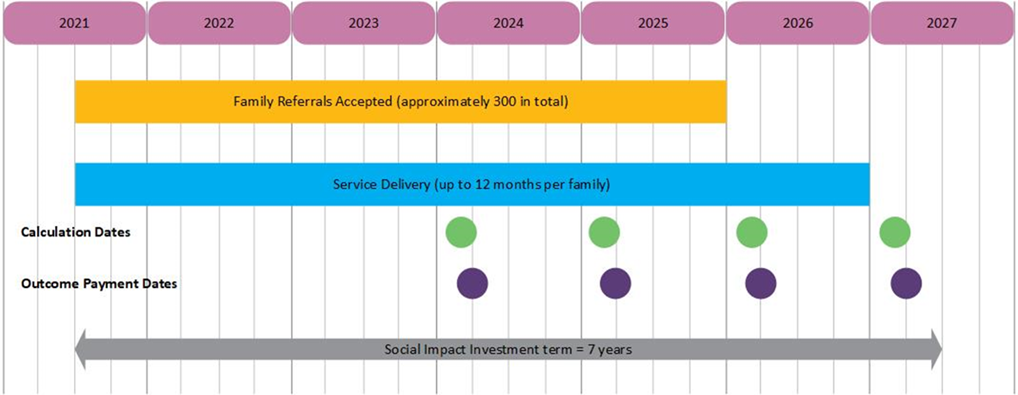
The Minister for Human Services engaged The Benevolent Society to deliver the Resilient Families Program by the terms set out in the Resilient Families Social Impact Investment Program Deed (the Deed) covering a service intake period from July 2021 to December 2025 (with a 12-month service period extending to December 2026, for families in the last intake).
Figure 1: Program Implementation Timeline
Social Impact Investment
Resilient Families is a social impact investment, transacted as a ‘pay by results’ contract. The counterparties — The Benevolent Society, Department of Human Services (DHS) and Department for Child Protection — work in partnership to support the delivery of the program, with DHS responsible for contract management functions.
All partners work together towards preservation within the family home (and in community and culture). The aim of a social impact investment is to test innovative solutions to public policy challenges, such as the growing numbers of children and young people in care. Social impact investments prioritise robust measurement, typically combining government administrative data and repeated program-level wellbeing measures.
Social impact investments are underpinned by 4 core principles:
- prevention: shifting the focus from high-cost acute services to prevention,
- innovation: demonstrating additionality and building an evidence base of ‘what works’,
- partnerships: leveraging the strengths of different sectors and sharing risks and rewards, and
- outcomes: designing for, measuring, and rewarding delivery of outcomes.
‘Pay by results’ contracts combine ‘traditional’ contract payments with additional performance payments, when achieving greater than expected results. Another distinctive feature of a ‘pay by results’ contract is that the South Australian Government’s counterparty, The Benevolent Society, has agreed to bear some financial risk if the outcomes fall below an agreed rate. Equally, The Benevolent Society, as the counterparty to a ‘pay by results’ contract, receives a financial return should the outcomes be greater than the expected rate.
South Australian and Commonwealth Governments
Resilient Families is a joint project between the South Australian and Commonwealth Governments, via the Project Agreement for Commonwealth State Social Impact Investments. Both governments have a common interest to improve outcomes for families with children at imminent risk of removal to care. Both governments agree to share data and analyses to assess the impact of Resilient Families, and to collaborate in evaluation.
Outcomes Payments
The Resilient Families’ level of success is indicated by a high rate of family preservation (which exceeds the rate that would be expected in the absence of the program). The preservation outcome for each child is measured 12 months after their enrolment in the program (or in the case of a family with an unborn child at the time of referral, 12 months after the child’s date of birth). This is referred to as the Assessment Date.
The Benevolent Society and the South Australian Government have agreed that, when the preservation rate exceeds 82%, this triggers an Outcome Payment (in accordance with Schedule 3 of the Deed).
Calculation Process
Four Calculation Dates are scheduled for the Program, commencing on 15 February 2024 and occurring annually until 2027.
Children in the Intervention Group who have reached their Assessment Date by the preceding 31 December are included in the calculations.
The Department of Treasury and Finance facilitates the collation and review of data from Department for Child Protection and The Benevolent Society to calculate the Incremental Preservation Rate and Outcome Payment.
Calculation Outcome
The second performance payment occurred following the calculation date of 15 February 2025.
As at 31 December 2024, 142 children in the Intervention Group (from the commencement of the program) reached their assessment date and there were 134 recorded preservations.
The preservation rate was calculated as 94.37% and the Incremental Preservation Rate was calculated as 12.37%.
The Child and Family Support System Context
Department of Human Services provides stewardship of the Child and Family Support System (CFSS) to keep children safe and well in their family, community, and culture.
The CFSS has been specifically designed for children and families who are at risk of deepening involvement with the statutory child protection system with the statutory child protection system and who need targeted, specialised support to break cycles of intergenerational disadvantage and patterns of child maltreatment.
The priorities and approaches for the design and implementation of the new system have been fundamentally co-designed by the people who use, deliver and engage with child and family support services. The Roadmap for reforming the CFSS (2021–2023) laid out the approach taken under four priority areas, all underpinned by ‘Our Healing Approach’ that combines cultural safety and trauma responsiveness.
CFSS services and support are delivered by:
- government by Department of Human Services' Safer Family Services
- non-government organisations
- Aboriginal Community Controlled Organisations and Aboriginal Community Controlled Health Organisations.
Within the CFSS, DHS funds and delivers three tiers of family preservation programs that have varying degrees of service intensity. The three tiers include:
Tier 1
Out-of-Home Care prevention and intergenerational impact programs focus on families at imminent risk of having their children placed in care, and populations with elevated risk of entering the tertiary child protection system.
Tier 2
Intensive Family Services provide a very high level of case management, therapeutic intervention, and practical support to assist families to improve family functioning where there are high level safety concerns.
Tier 3
Family Support Services assist families with medium-to-low-level risk concerns (including those who may have had contact with the child protection system). Within this category, Department of Human Services also delivers the Community Development Program and Families Growing Together Program.
The Resilient Families Program sits within Tier 1 and works with families at imminent risk of having their children placed in care.
The Child and Family Support System (CFSS) is designed to help strengthen the focus on prevention and early intervention, as part of a public health approach. This means the CFSS is seen as part of a broader system of services contributing to the safety and wellbeing of children and their families. CFSS services work alongside the other service systems that provide universal, targeted and statutory child protection services. Families may be engaged with many of these service systems simultaneously.
Resilient Families Service Model
The Service Model is based on evidence provided by the evaluation of the Resilient Families (Social Benefit Bond) pilot, the Resilience Practice Framework and Evidence Informed Practices (EIPs).
The Benevolent Society in partnership with the Parenting Research Centre developed 42 EIP practice guides for practitioners to draw on in working with families:
- Increasing safety
- Secure and stable relationships
- Increasing coping and self-regulation
- Improving empathy
- Increasing self-efficacy
- Practitioner skill
- Cumulative harm
- Infants at risk of abuse and neglect.
The efficiency and effectiveness of service is measured by the evaluation of:
- supporting parents to create a safe, stable, nurturing family environment
- improving children’s wellbeing
- improving parenting skills and capacity, family functioning and relationships in a sustainable way
- preventing children from entering care unnecessarily and assisting with restorations.
The Benevolent Society has completed a comprehensive review and update to the Resilience Practice Framework in conjunction with the Parenting Research Centre, that finished in June 2025. This review upheld the validity of the framework evidence base, tools and strategies. The updated version includes additional practice guides for Working with Aboriginal and Torres Strait Islander Families, Adolescents, Rapid Engagement and Readiness for Change. This review has also included significant consultation and input from Aboriginal and Torres Strait Islander practitioners to ensure it meets the needs of, and effectively supports, the Aboriginal and Torres Strait Islander families accessing the program.
Additionally, The Benevolent Society's Domestic and Family Violence Common Principals Framework, based on the evidence based Safe and Together Model, supports practitioners working with families affected by Domestic Family Violence complementing the Resilience Practice Framework to enhance service delivery outcomes.
Governance
Resilience Families is supported by two governance groups:
- The Resilient Families Operational Group includes leaders from The Benevolent Society (TBS), Department for Child Protection (DCP) and Department of Human Services (DHS) directly involved in the referral process and program management activities. The operational group meets monthly to discuss and resolve initial issues and risks in a timely manner.
- The Resilient Families Joint Working Group comprises executive leadership across all program partners — TBS, DCP, DHS, Department of Treasury and Finance, Commonwealth Department of Social Services (DSS) — to consider the progress of the program from a strategic lens. This group considers challenges and potential solutions to the referral process, as well as opportunities for connection with other Child and Family Support System reform activities and DSS-led initiatives. As the program has settled, this group now meets quarterly to review the activities of the previous period.
Staffing
There have been some staffing challenges in the last 6 months of this reporting period with a vacancy in one of the Team leader positions that was difficult to recruit to. There were also two Parental Leave vacancies.
Our current The Benevolent Society team has a range of expertise and experience in the child protection space and working alongside vulnerable families. Professional development offered both internally and externally, together with reflective supervision, supports current practice and effectiveness of the Resilient Families framework. The team now has a dedicated role of practice partner to support the delivery of effective, safe and outcomes driven practice with clients.
Resilient Families staffing comprises of:
- 1 manager
- 2 team leaders
- 8 child and family practitioners.
Brokerage
Brokerage funding is used to assist families throughout service provision. Positive outcomes have been achieved through brokerage support including:
- waste removal and domestic cleaning support having an immediate impact on the safety and wellbeing of the children.
- children and family members access to health assessments and support, including the National Disability Insurance Scheme (NDIS). Access to NDIS services improve the wellbeing of participants and opportunities for educational support.
- achieving independence and safety for some families using brokerage to support application for a drivers' licence and lessons.
- school holiday activities to create family memories which is often financially unachievable. These have a very positive impact on the families and allows them to connect with each other away from the pressures often faced at home.
- funds accessed to secure housing due to escaping Domestic Family Violence.
Support Provision
Intervention group
This section summarises the Resilient Families Intervention Group by referral periods, referring to Department for Child Protection office and family demographics.
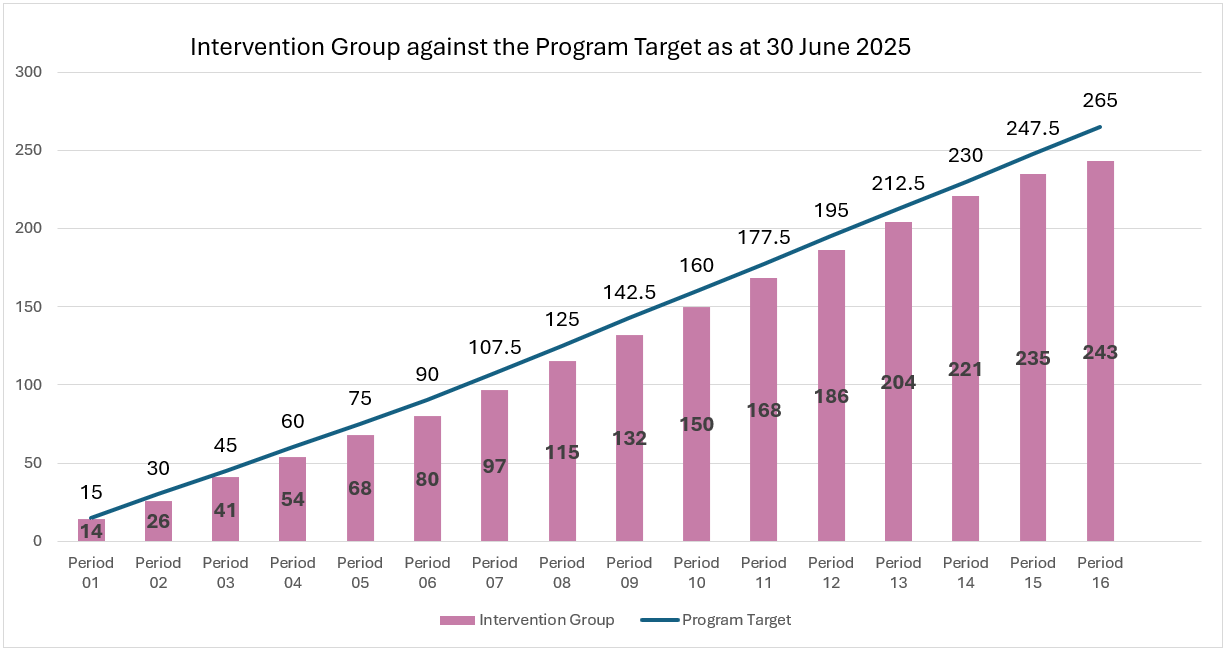
The Intervention Group size is estimated at 300 eligible index children with intake between 1 January 2021 to 31 December 2025.
The current Intervention Group size is shown in Figure 2: Intervention Group against the Program Target. As of 30 June 2025, there were 243 index children in the Intervention Group, 22 below the total program target of 265 index children for the cumulative period to date.
Figure 2: Intervention Group against the Program Target
Between 1 July 2024 and 30 June 2025, 98 referrals of eligible index children and their eligible families were made to the program with 82 accepted. Of these referrals, 57 eligible index children and their eligible families became part of the Intervention Group and 24 were excluded from the program.
Eligible index children may be excluded from the Intervention Group, due to a variety of reasons set out in the Deed. Further information about the Intervention Group is available in Attachment 1: Intervention Group.
DCP Referral Pathway
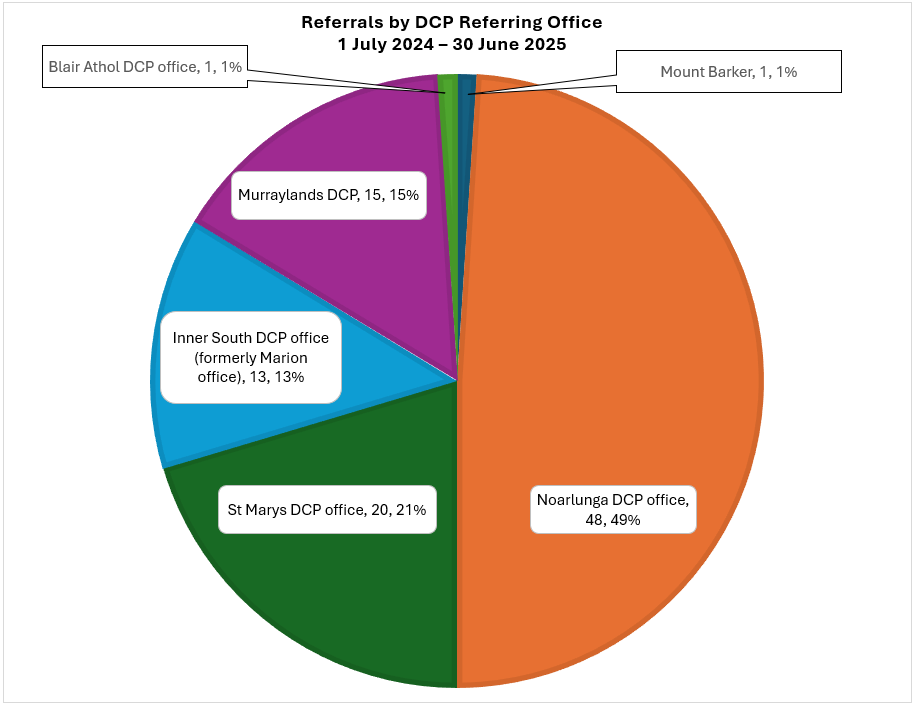
Program referrals are from nominated Department for Child Protection (DCP) Offices inclusive of Noarlunga, Inner South, St Marys and Murraylands.
The Benevolent Society and DCP work closely together to identify suitable families for the program aligned with program eligibility criteria. The collaborative partnership between DCP and Resilient Families practitioners and management supports families with a high level of complexity and risk.
The referrals distribution by referring DCP offices for 2024–25 is shown in Figure 3: Referrals by DCP Referring Office.
Figure 3: Referrals by DCP Referring Office
Family Demographics
Resilient Families works with children of all ages, but the Index Child must be less than 9 years of age. Figures 4 and 5 represent the ages and number of children in the 82 families recorded as engaged for service provision, some of these families were later excluded from the program.
Figure 4 shows that the largest age group was 0-to 4-year-olds, at 89 of 205 children.
Figure 5 shows that most families engaged had 2 children.
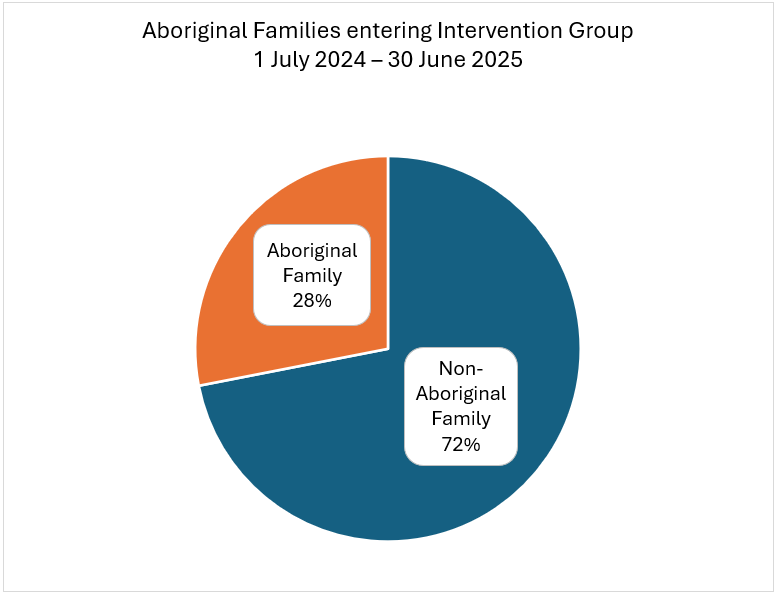
Figure 6 shows the proportion of Aboriginal and Non-Aboriginal families.
Figure 4: Distribution of children engaged for service provision by age group at the time of referral
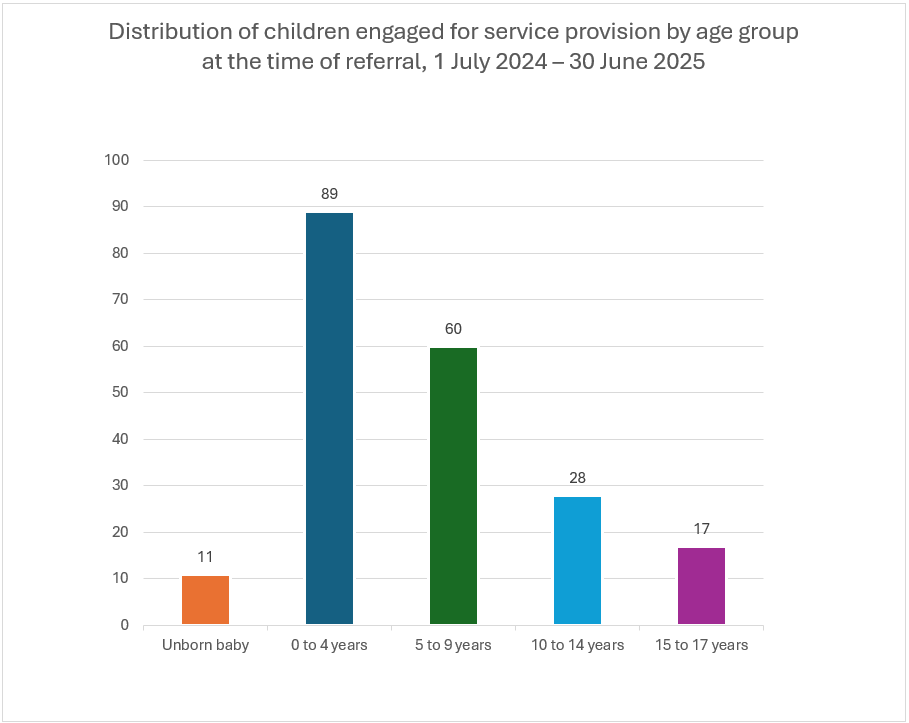
Figure 5: Number of Children in Families Engaged for Service Provision, July 2024 – June 2025
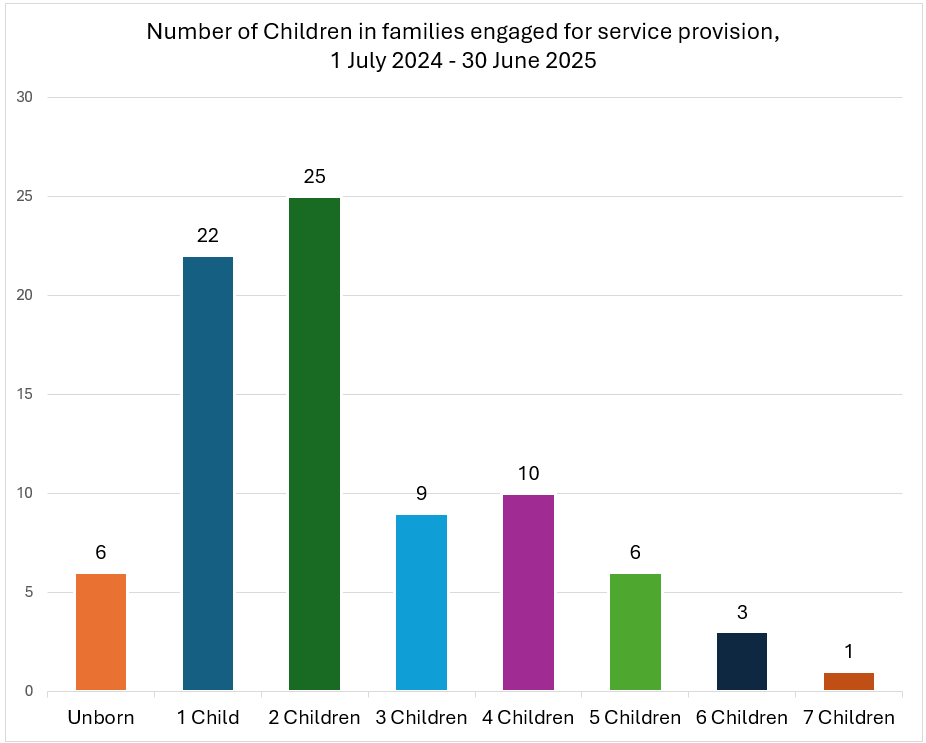
Figure 6: Aboriginal Families entering Intervention Group July 2023 – June 2024
Program Exits
Successful Program Exits
Families successfully exit Resilient Families Program when The Benevolent Society determines safety has been achieved and the high level of support is no longer required.
Between 1 July 2024 to 30 June 2025, 67 families successfully exited the program achieving safety goals. These families were supported for an average of 42 weeks. Six of these families included an unborn child at the time of referral.
Unsuccessful exits
Families unsuccessfully exit Resilient Families when the safety concerns for the child/ren are too high and a formal alternative arrangement is implemented, or the family disengages. In the reporting period 1 July 2024 to 30 June 2025, 4 of the families engaged with Resilient Families had an index child placed in care.
Non-Participant Families (See Exclusion code 5.5.7) are families that have participated in the program for longer than 4 weeks, and the family subsequently stops engagement and thereby withdraws consent.
All non-participant families are shared with the Department for Child Protection, so appropriate escalation or services can be considered to support the family. A total of 14 non-participant families remain in the Intervention Group as of 30 June 2025, with 1 family recorded during the 2024–25 reporting period.
Family-level outcomes
Family Outcomes are measured using different tools and assessments as part of the Child and Family Support System (CFSS) and The Benevolent Society’s Family Outcome Tool. As part of system and population data capture, the program began reporting in the CFSS Referral Outcomes Monitoring Systems as of 1 of July 2023.
CFSS Family Snapshot
Family Snapshot is the primary measure to monitor service effectiveness and outcomes for families in Child and Family Support System (CFSS) programs. Through the lens of practitioners, it captures the breadth of a child's lived experience at the start of engagement and at service closure.
Items in the Snapshot have been adapted by the CFSS Lived Experience Network and Aboriginal social work practitioners to make items relevant and reflect culture and policy. The Snapshot provides a system level view of child wellbeing and family functioning at two time points and validated as a change measurement tool in the South Australian context. The Family Snapshot captures social and ecological factors which the literature describes as important to the safety and wellbeing of children and families. It is primarily a practitioner-completed population assessment of ‘strengths and stressors’ present in a child's life at service start and service closure. Reporting of Snapshot is to show changes in mean scores or proportions reported as a strength from service start to service closure.
The number of matched Snapshots available for analysis was N=84.
Figure 7: Mean number of Strengths and Stressors at Service Start and Service Closure shows the mean number of strengths and stressors reported at service start and closure.
By closure, the mean number of strengths had increased from 10 to 12, and the mean number of stressors reported had decreased from 8 to 6.
Figure 7: Mean Number of Strengths and Stressors Reported at Service Start and Service Closure

Figure 8: Family Snapshot sub-scale mean scores
Figure 8 Family Snapshot sub-scale mean scores shows each subscale mean score at service start and closure. Items determined to be a stressor are rated as -1 (lowest degree of stress) to -3 (highest degree of stress), while items determined to be a strength are rated as 0 (neutral) to 2 (highest degree of strength). All scores are lower at service start and the subscale with the highest magnitude of change by mean score is the housing subscale.
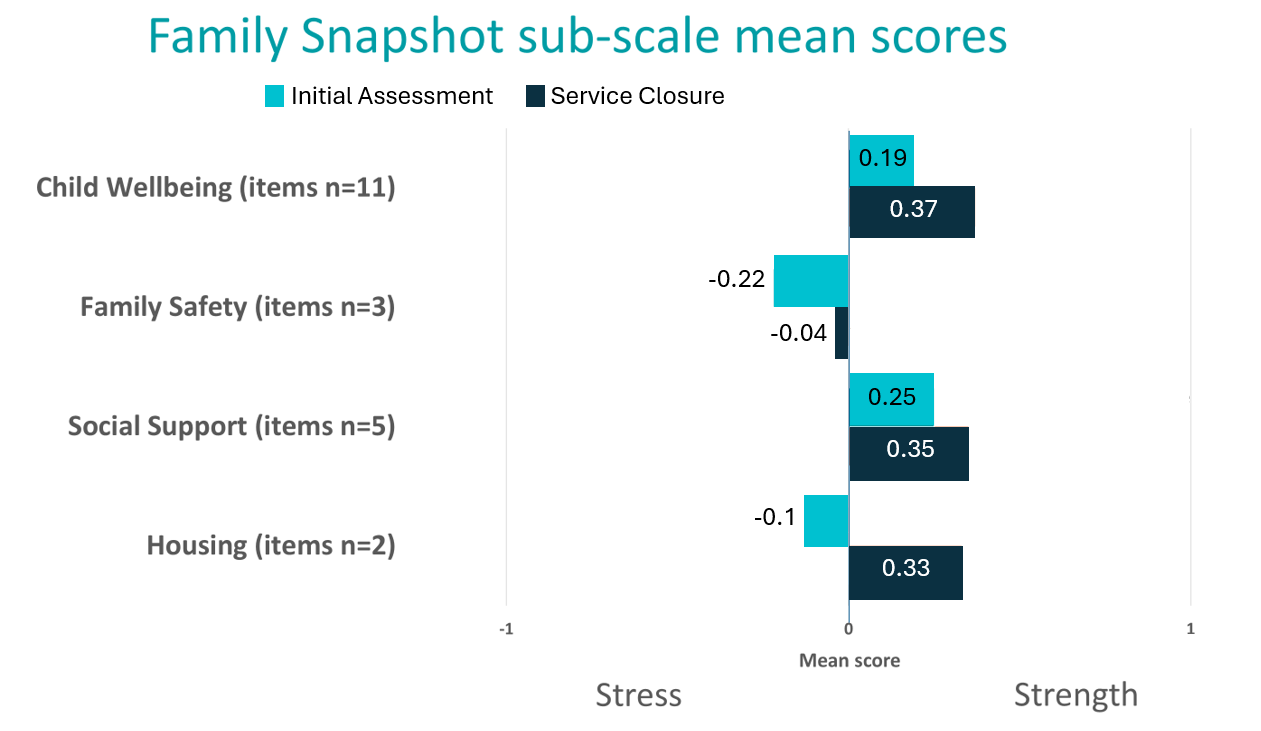
Taken together, the above data demonstrates that families engaged in the program are being assessed by practitioners as improving on their overall level of family functioning and child wellbeing at the end of service relative to the beginning with levels of change being reported for different subscales.
CFSS Family Complexity
At time of referral to family supports, the Child and Family Support System (CFSS) Pathways Service records the presence or absence of 44 concerns/risk factors (Family Complexity).
Table 1 reports summary statistics of the risks at referral and the prevalence of the key social ecological concerns for families engaged in the Resilient Families Program and families engaged by other family support providers.
Overall, families engaged in Resilient Families had a mean of 17.0 risk factors at time of referral and around one fifth (20.5%) of families were in the highest risk quintile.
This level of complexity was similar to families engaged in other CFSS Intensive Family Support programs. However, Resilient Families had a higher proportion (47.4%) of families with all three of the key social ecological concerns (Current domestic and family violence; Current mental illness/mental health impacting parenting; Current drug and alcohol misuse) compared to families engaged with other providers (32.9%).
Table 1a Family complexity at time of referral by provider group 2024/25
| Risk Factors | Resilient families | CFSS IFS (Tier 2) |
|---|---|---|
| Mean number of risk factors recorded at referral | 17.0 | 17.7 |
Table 1b Risk factor count by quintile
| Quintile | Resilient Families: number | Resilient Families: % | CFSS IFS (Tier 2): number | CFSS IFS (Tier 2): % |
|---|---|---|---|---|
First quintile | 17 | 21.8 | 186 | 14.8 |
Second | 9 | 11.5 | 231 | 18.4 |
Third | 20 | 25.6 | 256 | 20.4 |
Fourth | 16 | 20.5 | 322 | 26.5 |
Fifth quintile | 16 | 20.5 | 262 | 20.8 |
Table 1c Key social-ecological risk factors
| Risk Factors | Resilient Families number | Resilient Families % | CFSS IFS number | CFSS IFS % |
|---|---|---|---|---|
| Domestic and family violence - current - no | 25 | 32.1 | 516 | 41.1 |
| Domestic and family violence - current - yes | 53 | 67.9 | 741 | 58.9 |
| Mental illness - current - no | 51 | 65.4 | 923 | 73.4 |
| Mental illness - current - yes | 27 | 34.6 | 334 | 26.6 |
| Drug and alcohol misuse concerns - current - no | 23 | 29.5 | 595 | 47.3 |
| Drug and alcohol misuse concerns - current - yes | 55 | 70.5 | 662 | 52.7 |
Table 1d Number of key social-ecological concerns at time of referral
Concerns include domestic and family violence, mental illness, and drug and alcohol misuse but exclude mental health.
| Number | Resilient Families number | Resilient Families % | CFSS IFS number | CFSS IFS % |
|---|---|---|---|---|
| Nil | 1 | 1.3 | 90 | 7.2 |
| One | 14 | 17.9 | 312 | 24.8 |
| Two | 26 | 33.3 | 442 | 35.2 |
| Three | 37 | 47.4 | 413 | 32.9 |
| Total | 78 | 100.0 | 1257 | 100.0 |
Data source: Data source: FAROSE v22. Excludes small number of referrals where family complexity was not completed.
Resilient Families Family Outcomes Tool
The Resilient Families service model is anchored in The Benevolent Society’s evidence-based Resilience Practice Framework, which provides a shared language and set of evidence-based practices for practitioners to use in their work with families. Program results show that when applied by skilled practitioners in conjunction with their specialist knowledge, clinical judgement and practice wisdom, the Resilience Practice Framework delivers positive outcomes relating to parent/carer wellbeing, parenting skills and capacity, as well as children’s socio-emotional health, and helps keep families safely together.
“[The most significant change has been] the belief within myself that this is the right thing to be doing for me and my family. To be able to recognise that this isn't ok, that I deserve more and my children need to feel safe and happy.” – Parent/carer, Resilient Families, 2025
Self-reported family outcomes are repeatedly assessed using standardised measures as families progress through the program. The measures include:
- the parent-focused Personal Wellbeing Index
- Parent Empowerment and Efficacy Measure
- Kessler Psychological Distress Scale (K10 or K5)
- and the child-focused Strengths and Difficulties Questionnaire.
Families are also asked to reflect on what has been the Most Significant Change (Dart & Davies, 2005) for them over the assessment period.
Improved Parent and carer wellbeing
On average, parents’ and carers’ subjective wellbeing, measured using the Personal Wellbeing Index, increased by 8.6 pts over the assessment period. The assessment period was 1 July 2024 to 30 June 2025 and included families who were active in the service and successfully completed the Resilient Families Program during that period.
At closure, the average Personal Wellbeing Index score (74.2) was within the normative range for the Australian population of 74.1 to 76.8 (International Wellbeing Group, 2024).
Overall, 58% of parents and carers reported improved wellbeing on completion of the program. This proportion increased for parents and carers that entered the program with ‘challenged’ or ‘at risk’ wellbeing scores (less than 70), of which 75% reported improved wellbeing on completion of the program.
Parents and carers reported the greatest average improvement in their satisfaction with what they are ‘achieving in life’ (+12 pts). This was supported by Most Significant Change responses that included reflections about “being on the right track” and the positive impact of practical supports for the household (food, heating), improved family routines and structure, coping strategies, and support to address their children’s needs.
The community-connectedness domain increased by +7 points on average. Parent and carers reported that their children attended school more often, and that their families now attended church and community events. These community connections act as a protective factor for children and families.
Improved parent and carer mental health
Mental health concerns are a common risk factor amongst families in Resilient Families and co-exist with other risk factors such as domestic and family violence, substance use, trauma and homelessness. Increasing coping and regulation skills of adults and children is a key outcome of the Resilience Practice Framework and is supported by evidence-based practices such as co-regulation, problem-solving skills, self-care and relaxation techniques, and healthy sleep and exercise.
Parents’ and carers’ psychological distress, measured by the Kessler Psychological Distress Scale (K10), reduced by 3.8 pts on average, from high levels to moderate levels. Overall, 61% of parents and carers reported reduced psychological distress on completion of the program. Parents and carers reported that the program supported them in “feeling less stressed” and developing “good coping strategies”, as well as increased ability to self-regulate:
“The most significant change has been] trying to not shout at the kids. Trying to not let my emotions get the better of me and trying to stay calm.”
Improved confidence in parenting
The Parent Empowerment and Efficacy Measure (PEEM) supports parents and carers to better understand their parenting strengths and their capacity to engage with parenting challenges. Total empowerment, an indicator of their overall feelings of efficacy, increased 11.2 points on average, and was within the normal range at closure (Freiberg, Homel & Branch, 2014). Overall, 71% of parents and carers reported improved parenting empowerment on completion of the program.
The PEEM subscale ‘Efficacy to parent’ indicates parental confidence and positive feelings towards parenting. In Most Significant Change responses, parents and carers described positive changes in their parenting efficacy:
“I feel more secure and confident in myself and my parenting”
“I feel stronger - in all aspects, more determined, more structured, more organised.”
‘Efficacy to connect’ is the degree to which parents feel empowered to access support and to participate in social or other activities that promote positive parenting. In their Most Significant Change responses, parents and carers described a range of changes in their connection efficacy, including maintaining contact with their children’s school, attending NDIS and medical appointments, and having help with working with other services.
Improved child wellbeing
The Strengths and Difficulties Questionnaire assesses observable behaviours relating to a child’s socio-emotional functioning. In Resilient Families, parents and carers complete the Questionnaire for the ‘focus’ child, if that child is at least 2 years old.
On average, total difficulties reduced by 2.5 pts over the assessment period, from the high to slightly raised range, indicating a reduction in the children’s difficulties reported by parents and carers. Overall, 54% of children were assessed by their parent or carer as having reduced difficulties on completion of the program.
In their Most Significant Change responses, parent and carers described positive changes in children’s behaviour, improved routines and communication:
“There has been a big change with the kids' behaviour being better…they are listening and helping keep their areas tidy and have come out of their shells a bit more.”
“Child’s bedtime routine is a lot easier and she is going to bed on time.”
“The whole family has been communicating better.”
Resilient Families Case Study
This family has been referred twice to Resilient Families, due to concerns regarding domestic violence; physical, financial, and emotional abuse. The perpetrator has repeatedly breached the intervention order, and there were significant concerns for the safety of the children.
The mother has disclosed that her mental health has been severely impacted by the domestic violence, particularly during attempts to leave the relationship.
Resilience Families worked collaboratively with Department for Child Protection. The Child and Family Practitioner engaged with multiple stakeholders, including housing services, mental health providers, and domestic violence counselling services.
Through coordinated efforts, the practitioner successfully supported the mother and her two young children to relocate to a safer region, away from the perpetrator, and access emergency accommodation.
Although the mother continues to experience mental health challenges, she has demonstrated a proactive approach to managing her wellbeing. She has sought support from her GP, including medication and a referral to a telehealth psychologist. Throughout service delivery, the Child and Family Practitioner has utilised therapeutic interventions, the Resilience Practice Framework, and a range of Evidence-Informed Practices, including:
- Safe & Together Model to support non-offending parents and keep children safe and together with their protective caregiver.
- Trauma-Informed Practice to recognise and respond to the impact of trauma on both the mother and children.
- Motivational Interviewing to support the mother’s readiness for change and reinforce her strengths.
- Child Development and Attachment Theory to guide conversations around the impact of domestic violence on children’s emotional and psychological wellbeing.
The practitioner has also engaged in therapeutic conversations with the mother about the long-term impacts of domestic violence on children, including the potential effects on emotional regulation, attachment, and developmental outcomes. These discussions have helped the mother to better understand the importance of maintaining safety and stability and have empowered her to take steps toward healing and recovery.
PhD Research – Dr Sarah Seekamp
The RF team at Melrose Park participated in research led by Dr Sarah Seekamp from the University of South Australia. This research highlights the importance of interprofessional collaboration to effectively support the diverse needs of children and families known to child protection and explored collaboration between:
- practitioners involved with families known to child protection, and
- practitioners and parents from these families.
Perspectives were gathered from professionals with extensive experience in the fields of family support and child protection and parents/caregivers involved with The Resilient Families Program Melrose Park.
Results identified several strengths of the Resilient Families Program offering guidance for practitioners and policy makers to support families who become known to child protection.
Partnering with parents
Family-centered practice approaches were affirmed as fundamental to effective work with families. Parents and practitioners identified that establishing trusting practitioner-family relationships are critical to engaging families and attempts to engage families should consider their previous (often negative) experiences with services. Listening to families and conveying genuine care were identified by parents as important for building relationships. Parents reported that service responses that were tailored to their family’s unique situation contributed to them feeling understood and their propensity to engage with support.
Flexible service models enable practitioners to place clients’ needs as the strongest driver of their practice and offer tailored responses. The length of service of Resilient Families was identified as a strength, allowing time for practitioner-parent relationships to be established and families’ unique and complex needs to be understood and supported.
Parents involvement in explicit goal setting is an area that requires further exploration as part of supporting involvement of parents in setting the agenda for service responses.
Opportunities for families to contribute to service evaluation and design were recognised as important by professionals and parents.
Collaboration across service providers
Lead case management as offered by Resilient Families was identified by parents as critical to facilitate collaboration across services to meet the unique needs of their family. Families identified that without this assertive coordination and advocacy their needs may remain unmet.
Practitioners affirmed that assertive lead case-management is required to procure needed support from other services/sectors and engage families in service responses.
Systems and processes were identified as helpful for effective cross service collaboration, including shared training and development, common practice models, flexible use of resources to enable innovation, mechanisms to support information sharing and a shared focus on the best interests of the child.
Parents value collaboration between services and would like it to occur more frequently. Collaboration across services and active participation of parents in service responses was found to be largely dependent upon family support practitioners’ facilitation.
Conclusion
In summary, the Resilient Families Program has demonstrated significant impact on the lives of families facing complex social ecological concerns and challenges. The program has supported 243 index children (and their families) with a target of 300 and while it has not yet reached its full target, the strong engagement and positive outcomes highlight its effectiveness in promoting safety and wellbeing.
Data collected from the Family Snapshot reveals notable improvements in family functioning, with increased strengths and reduced stressors reported at service closure. This indicates that the program is not only addressing immediate risks but also fostering long-term resilience among participants.
The collaboration between Commonwealth Department of Social Services, South Australian State Government agencies and The Benevolent Society in delivering this program provides key learnings and insights to partnerships and collaboration in the Child and Family Support Systems development. As we move forward, it will be essential to continue strengthening inter-agency collaboration in supporting vulnerable families.
Attachment 1: Intervention Group
Referrals and Intervention Group
The Referrals and Intervention Group size for the program at the end of 2024–25 period is summarised in Table 2.
Table 2: Referrals and commencements 2024–25
| Period | Referrals 2 | Accepted Referrals 3 | Excluded 4 | Intervention Group 5 |
|---|---|---|---|---|
| 13: Jul – Sep 24 | 30 | 24 | 5 | 18 |
| 14: Oct – Dec 24 | 24 | 21 | 4 | 17 |
| 15: Jan – Mar 25 | 25 | 24 | 10 | 14 |
| 16: Apr – Jun 25 | 19 | 13 | 5 | 8 |
| Total | 98 | 82 | 24 | 57 |
[2] Fulfilled Referrals = a referral of an eligible family with an eligible index child provided by Department for Child Protection for The Benevolent Society.
[3] Accepted Referrals = a referral of an eligible family with an eligible index child for whom The Benevolent Society has agreed to attempt engagement.
[4] Excluded = an eligible family who has ceased services due to specific reasons identified within the Operations Manual for the program.
[5] Intervention Group = an eligible family of an eligible index child who will be included in the calculations of the performance percentage. The intervention group equates to accepted referrals less exclusions (with exception of all 5.5.7 and some 5.5.8 exclusion codes). Exclusions during a given period may relate to referrals accepted in an earlier period.
Exclusions
Some referrals (families) are excluded from the Intervention Group due to a variety of reasons set out in the program deed. In some circumstances, a replacement referral may be sought. This ensures that the program continues to operate in-line with the target of 300 eligible referrals (eligible families of an eligible index child) in the intervention group.
Table 3 Program Exclusions 2024–25 presents the various reasons and number of families excluded for each reason during the reporting period. When a family is excluded, a replacement referral may be requested for an alternative family, as per the rules within the Operations Manual.
Table 3: Program Exclusions 2024–25
| Exclusion Code and Reason | Count of Families | Time Period |
|---|---|---|
| 5.5.1 Ineligible | 14 | Within 4 weeks |
| 5.5.2 Unsafe – initial Safety Assessment decision revised | 5 | 15 to 30 business days |
| 5.5.3 Child placed in to care before engagement | 0 | Within 3 weeks |
| 5.5.4 Relocation of family | 1 | Within 3 months |
| 5.5.6 Lack of family engagement | 4 | Within 4 weeks |
| 5.5.7 Non-participant | 1 | After 4 weeks |
| 5.5.8 Services cannot be delivered | 1 | At any time |
| Total | 26 | n/a |
A total of 74 families has been excluded from the RF Program since commencement, with 26 recorded during the 2024–25 reporting period.
Non-Participant Families are families that have participated in the program for longer than 4 weeks, and the family subsequently stops involvement and thereby withdraws consent. These exclusions are included in the intervention group count.
Attachment 2: CFSS Family Snapshot Data
Early reporting on The Benevolent Society Family Snapshots used unmatched cohort data; unique referral level matching was not done due to low sampling at each phase of data collection, and all response types were accepted for inclusion in analysis due to low numbers. Subsequently, results may look continue to look different from earlier reporting. Additionally, as the Family Snapshot tool has since been validated in the Australian context, reporting is now done for four subscales, a global overall score and reporting of change for 5 independent key questions.
Since last reporting, agreement was made that reporting would use data whereby a match is made using the first recorded Snapshot (this is usually a Baseline Snapshot but not always). If there is a missing Baseline then the first review Snapshot is used to match to a Closure Snapshot at service completion where present.
If a Baseline Snapshot phase has both a 'family led' and a 'Practitioner only' completed questionnaire, the 'Practitioner only ' response is used. If there is only a family-led response, we will use that to match. Calculation on earliest known Snapshot recorded with a Closure Snapshot is done to create a final matched sample.
Table 4 shows the total number of Family Snapshots collected and provided to EIRD for analysis by assessment types (Aug 1 2021 to July 30 2025).
Table 4: Total Family Snapshot Submissions
| Assessment Occasion | Number | % |
|---|---|---|
| Initial assessment | 79 | 47 |
| Review 1 | 5 | 3 |
| Closure | 84 | 50 |
| Total | 168 | 100.00 |
After removing duplicate responses for assessment occasion (electing the most recent assessment occasion for inclusion) and selecting ‘Practitioner only’ responses where available, Initial Assessment Snapshots were then matched with Closure Snapshot data. A final matched sample of Initial Assessment and Closure data resulted in 84 paired samples for analysis. Where Practitioner only responses were not available, family completed Snapshots were used. As the scoring for family-led Snapshot responses are consistently higher than those completed by practitioners, there will be some impact on the magnitude of change scores reported.
Acronyms
ACCOs
Aboriginal Community Controlled Organisations
ACCHOs
Aboriginal Community Controlled Health Organisations
CFSS
Child and Family Support System
DCP
Department for Child Protection (SA)
DFV
Domestic and Family Violence
DHS
Department of Human Services (SA)
DSS
Department of Social Services (Commonwealth)
DTF
Department of Treasury and Finance
EIP
Evidence Informed Practices
FSS
Family Support Services
IFS
Intensive Family Services
IPR
Incremental Preservation Rate
K10, K5
Kessler Psychological Distress Scale
LEN
Lived Experience Network
MSC
Most Significant Change
NDIS
National Disability Insurance Scheme
NGOs
Non-government organisations
OOHC
Out-of-Home Care
PEEM
Parent Empowerment and Efficacy Measure
PhD
A Doctor of Philosophy — the most common degree at the highest academic level, awarded following a course of study and research.
PWI
Personal Wellbeing Index
RF
Resilient Families
RPF
Resilience Practice Framework
SA
South Australia
SDQ
Strengths and Difficulties Questionnaire
SFS
Safer Family Services
TBS
The Benevolent Society