
Download print version:
On this page:
South Australian Aboriginal Community
The term Aboriginal is used throughout this resource and is respectfully inclusive of all Aboriginal and Torres Strait Islander peoples. We acknowledge that the cultural, spiritual, social, economic and parenting practices of Aboriginal and Torres Strait Islander people come from traditional lands, waters and skies. The cultural and heritage beliefs, languages and lore are still living and are of great importance today.
We acknowledge Elders past, present and those emerging, the children. We further acknowledge Aboriginal staff, families and community working to keep children safe in the protective strengths of culture, with a strong sense of self and identity.
The Child and Family Support System (CFSS) acknowledges and respects Aboriginal people as the first people of this country and recognises the traditional custodians of the lands in South Australia, the lands on which we all practice.
Artist’s acknowledgement
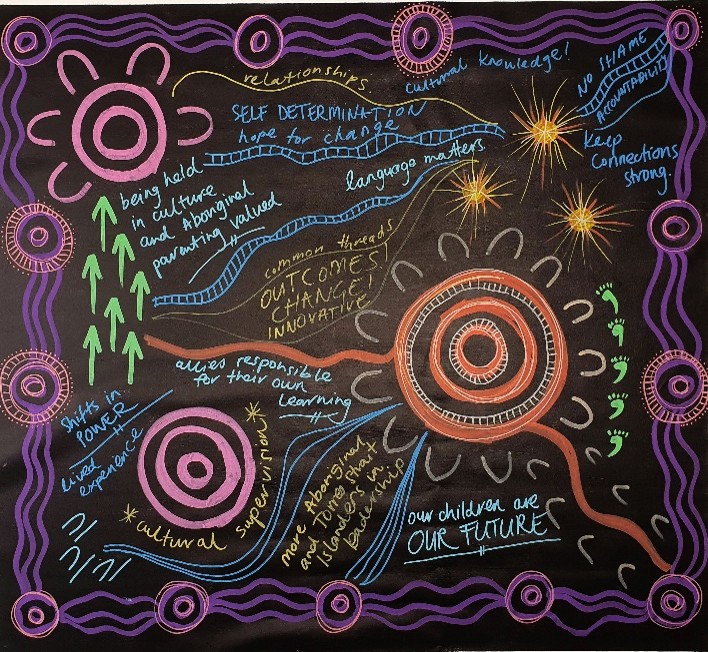
The Aboriginal Cultural Lenses of Practice artwork was created in 2020 as a visual statement piece by Sasha Houthuysen (Hill), a Yamatji/Noongar woman, in partnership with the Department of Human Services (DHS) Safer Family Services Aboriginal staff and allies (Figure 1).
It gives a voice to Aboriginal ways of knowing, being, doing and guidance in supporting a culturally safe workforce.
The artwork is used throughout the department’s CFSS policy and practice resources. It incorporates the symbols representing the cultural lenses journey: allies walking alongside Aboriginal staff, families and communities, and meeting and learning places supporting Aboriginal best practice.
This ensures that we are always keeping children front and centre and working from a culturally safe lens.

We thank artist Elizabeth Close, a proud Aṉangu woman from the Pitjantjatjara and Yankunytjatjara Language Groups, for bringing passion, skill, lived experience, and intelligence to her art and supporting sector efforts to develop CFSS practice in the domestic, family and sexual violence space, (Figure 2). Elizabeth was commissioned to create an artwork representing practitioner discussions at the CFSS Communities of Practice (CoP) in November 2024. The event brought together sector leaders and managers to explore child-centred approaches to working with dads and men who use violence.
Artist Statement: “This artwork is about communities, services providers, stakeholders, and families working together to address the harm caused by men who choose violence, and the harm caused to families. It is informed by the bringing together of all affected groups to work towards a future where we eliminate gendered violence. It is about deep listening, truth telling and change making. Sitting together and being open about where we are, and where we need to be.” (Close, 2024)
Our Contributors
We thank Rodney Vlais and David Tully for their generous contributions in this space. As current practice experts in this field we are grateful for their wisdom to help approach and shape our practice.
We also thank all our CFSS service provider partners for their generosity in sharing their practice guidance and deep wisdom for adaption to the wider community.
Statement of Inclusion
The CFSS aims to create a workforce culture where differences, lived experience, culture, gender identities, sexualities, faiths, ethnicities, and abilities are respected and valued, and their voices elevated.
We recognise the contributions these communities make and are committed to working alongside in partnership. CFSS agencies aim to address individual and systemic issues by tackling barriers or highlighting service gaps that prevent children from living safely with their families.
When discussing how to engage dads and men who use violence, the terms ’dad’ and ’men’ are sometimes used interchangeably. However, it's important to distinguish between them. The biological father who used violence may no longer be in the family or relationship, but a new intimate partner (who is not the biological father) may also be using violence. So, when we talk about engaging these individuals, we need to consider both current and former partners who may be perpetrating violence, regardless of their parental status.
Allyship Accountability
CFSS staff are called to commit to developing their allyship and to respect the diversity of all individuals. This lifelong process is one of learning, understanding, and building meaningful relationships based on trust and accountability with individuals, families, and communities.
Allyship accountability is about being proactive in reflecting on and addressing internal biases, being receptive to feedback and owning responsibility for one’s actions. Advocacy and allyship are deeply related. Advocacy is how allyship is integrated into our work by driving change in our roles and across organisations and sectors.
Purpose
The scope of this practice resource is about working with dads and men who use violence towards their female partners. It is not designed for male violence towards other men or other family members. The purpose is to support practitioners to engage in conversations with dads and men who use Domestic and Family Violence (DFV), particularly within whole-of-family approaches that centre child safety and wellbeing. It offers initial guidance, practical strategies, and conversational prompts when engaging dads and men to:
- Support safe, non-collusive engagement.
- Minimise reinforcement of harmful attitudes and beliefs.
- Challenge narratives that excuse domestic and family violence and ensure people who use violence are held accountable for their actions.
While this document provides useful tools and reflective prompts, it does not replace any organisation’s own policies and procedures that ensure safe, ethical, and culturally responsive practice when working with perpetrators and victim survivors of domestic and family violence.
Additional resources that support this work have been included but should not be considered a comprehensive compendium. This document should be used as a companion resource, promoting critical reflection, invitational practice, and collaboration across services.
The purpose of engagement with the dads and men using violence is to address child safety and wellbeing concerns, not to engage in DFV-specific therapeutic work.
This is critical as ‘ignoring a client’s violent and/or controlling behaviour can result in a missed opportunity to address the safety and wellbeing of the adults and/or children affected by this behaviour. In the most severe cases, this could be a missed opportunity to save a life’ (Mandel 2018).
‘When services do not engage with fathers and men who use violence and control, more focus is placed on making mothers accountable for the violence that is being perpetrated towards them. This can result in mothers being held to account for failure to protect their children, rather than fathers being held responsible for exposing their children to harm’ (Mandel 2018).
Practitioners play a vital role in engaging dads and men and safely naming violence to:
- Support risk assessment by understanding the DFV’s impact on children and household functioning.
- Integrate the person’s behaviour into safety and case planning with goals to reduce harm.
- Refer to specialised DFV services where appropriate and available.
- Share information to enable coordinated safety and accountability responses.
- Strengthen capacity if the person remains in a care-giving role.
Practitioners play a vital role in providing culturally responsive practices and assessments to Aboriginal and Culturally and Linguistically Diverse (CALD) communities. There is more about working with CALD Communities towards the end of the document.
The opportunities of engaging dads and men who use violence
In homes where DFV is present, children’s safety is often compromised, yet the pathway to protection doesn’t lie solely in working around men, but in working with them. Practitioners are uniquely placed to engage dads and men early, using strengths-based, trauma-informed approaches that centres the child’s safety and wellbeing.
It is not unusual for practitioners to worry that engaging in these conversations may increase risk to the family after they have left. Entering the conversations about DFV and gently challenging any harmful narratives should only occur once a secure, respectful relationship has been established. Child and Family Support Service (CFSS) practitioners are in a unique position where quite often they are the first service to interact with men who use violence in this capacity. Advice concerning safe closure of sessions and risk management strategies in these situations.
When practitioners connect with men through their role as fathers, they open a door to accountability and change. The identity of ‘father’ is often grounded in a desire to protect, provide, and be present, and it can act as a powerful motivator. By naming the gap between a father’s intentions and his actions and guiding him to reflect on the impact of violence on his children, practitioners create a space for behavioural insight and emotional responsibility.
This work must be practiced safely and skilfully. Practitioners need support to hold men accountable and invite these conversations, while still ensuring the safety of children and victim-survivors. Trauma-informed training, risk assessment tools, and interagency collaboration are essential foundations to support the work.
The timing is right. The Royal Commission into Domestic, Family and Sexual Violence (2025) and the National Plan to End Violence against Women and Children (2022) both reinforce the need to intervene earlier, more effectively, and with whole-of-family strategies. Most importantly, children benefit when practitioners are equipped to work directly with fathers. This helps to reduce risk, disrupt cycles of harm, and nurture safer, more stable family environments.
The challenges of engaging dads and men who use violence
Not all dads and men who use violence will be equally open to engagement. Some may actively avoid conversations about their behaviour, while others may be deeply entrenched in patterns of denial, minimisation, or justification. These dynamics can make it difficult to invite them into a space for reflection and change.
However, even when engagement efforts do not lead to immediate behavioural shifts, they still serve an important purpose. Attempts to engage can provide valuable insights into the level of risk posed, the nature of harm caused, and the narratives the man uses to rationalise his actions. Documenting these observations and sharing them appropriately within service systems strengthens collective efforts to keep the person causing harm in view. This information can be critical for enhancing children’s safety and supporting the non-offending parent.
Domestic and Family Violence (DFV)
Domestic and Family Violence is rooted in gender inequality and shaped by cultural and structural norms in Australian society. Even when raised with beliefs that support control and violence, men can take responsibility and adopt non-violent behaviours. Practitioners are encouraged to use an intersectional approach, recognising that Domestic and Family Violence must be understood within broader cultural, social, and political contexts. These factors help explain its prevalence across diverse communities.
The National Plan to end violence against Women and Children (Department of Social Services, 2022) highlights Domestic and Family Violence as an epidemic in Australia:
- 1 in 3 women has experienced physical violence since age 15.
- 1 in 5 has experienced sexual violence.
- Rates of sexual assault continue to rise, often involving known perpetrators.
Domestic and Family Violence (DFV) affects all types of families and relationships, across all demographics. While experiences vary, evidence shows most perpetrators are men and most victims are women. Stressful events—such as pandemics or natural disasters—can increase violence against women and children.
Gender-based violence affects women of all ages, including through sexual abuse, harassment, and technology-facilitated abuse. Children may witness or directly experience violence, shaping their worldview and causing long-term harm. LGBTIQA+ children and older women also face unique vulnerabilities, including economic insecurity and limited decision-making power.
DFV includes a wide range of abusive behaviours intended to cause fear and elicit control by the victim-survivor of the abuse limiting what they say or do due to their fear of the consequences.
These behaviours include, but are not limited to:
- Coercive control – coercive control describes someone’s pattern of behaviours that results in them establishing and maintaining power and dominance over another person Attorney-General’s Department (2023).
- Intimate partner sexual violence (IPSV) – IPSV is both a form of domestic violence and a form of sexual assault (Cox, P 2015).
- Systems abuse – domestic violence perpetrators frequently manipulate systems to avoid accountability and shift blame, undermining survivor safety and stability (Mandel, Mitchell, & Sterns Mandel 2021).
- Criminal offences – some behaviours of DFV are criminal offences. For example, police can arrest domestic violence offenders under the stand-alone strangulation offence which, if found guilty, can incur a penalty of up to ten years’ imprisonment (Government of South Australia 1935).
These complex and often under-recognised forms of violence require coordinated, trauma-informed responses. Practitioners must be aware of these dynamics and collaborate across services to ensure safety and support for victim-survivors and children.
Child Maltreatment
In April 2023, the Australian Child Maltreatment Study (ACMS) published its primary findings in the Medical Journal of Australia and an accompanying report. The study provided the first national prevalence estimates of five types of child maltreatment—physical abuse, sexual abuse, emotional abuse, neglect, and exposure to domestic violence—and examined their adverse impacts on health and wellbeing (Haslam et al., 2023). It found that 39.6% of children had experienced exposure to DFV.
The findings revealed that four of the five maltreatment types are widespread in Australia, with harms that are severe, begin early in life, and persist into adulthood, even among individuals aged 45 and older. Australians who experienced maltreatment were significantly more likely to have mental health disorders, engage in health risk behaviours, and use health services at higher rates (Haslam et al., 2023). The ACMS found some of these health risk behaviours that increase the likelihood of negative health outcomes across the life span. Some examples include alcohol and other drugs use, smoking, risky sexual behaviours, physical inactivity, poor diet, self-harm and suicidal behaviours.
Since 2024, ACMS has expanded its research to include topics such as child sexual abuse by different perpetrators, maltreatment among gender-diverse populations, online sexual victimisation, bullying, and intimate partner violence (Figure 3). The study continues to inform major policy reforms and international engagement, highlighting its global significance in improving outcomes for children and families (Haslam et al., 2023).
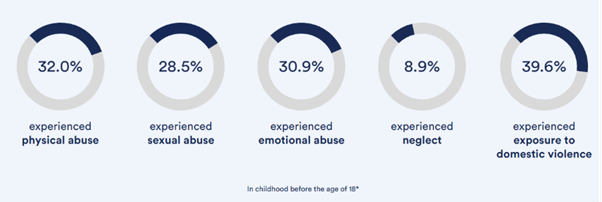
Figure 3 The Australian Child Maltreatment Study (ACMS) home page, accessed 5.11.2025.
Further Reading
How Domestic Violence Perpetrators Manipulate Systems
What is misidentification? How the legal system fails victims of domestic violence
Being Safety - Insight Exchange
Setting the Scene
The 2025 CFSS Statewide Practitioner Communities of Practice (CoP) forum brought together nearly 290 practitioners from government, non-government and Aboriginal Community Controlled Organisations (ACCOs), continuing the CFSS’ commitment to whole-of-family, child-centred and healing responses to DFV. The forum focused on engaging dads and men who use violence, bringing attention to a significant area of focus in current practice and system responses.
Emergent themes at this CoP included keeping children at the centre of all we do, working differently to engage dads, and the importance of culturally safe, community-driven approaches. Additional themes included balancing risk and opportunity, navigating shame and defensiveness, and reviewing system gaps. Much of the day was focussed on the work of Rodney Vlais, including barriers to change and emphasising that domestic violence is a choice. A summary of the themes are as follows:
Keeping Children at the Centre: Children’s experiences and voices must guide engagement; fatherhood can be a powerful entry point for reflection and change. Strategies include asking reflective questions like, “I wonder what it was like for your child?” or connecting men to their own childhood experiences of trauma or violence. This helps men realise that children are always learning from them, about how to be a parent and that children are affected by the violence, even if it’s not always obvious. When men acknowledge harm but don’t label it as violence, practitioners can ground the conversation in child development, highlighting the lasting effects of exposure to violence. Family assessments can also be used to better understand the family’s awareness of violence and tailor interventions accordingly. Exploring “what kind of dad do you want to be?” can reveal inconsistencies between intent and action, offering a pathway to change. Violence is always a choice.
Working Differently: The forum highlighted the need for practitioners to work differently when engaging dads and men who use violence, beginning with curiosity about the family’s and dad’s story, trust-building and a relational approach. Practitioners do not need to be experts but must be equipped and ready to meet men where they are at, for example using conversations about housing, parenting, or identity as openings for change and to support them towards accountability. Every interaction is an opening for change, it’s not about being perfect, but about starting with the right intention.
Culturally Safe, Community-Driven Approaches: First Nations-led programs grounded in healing and connection are essential. Violence can reflect disconnection from culture.
“We need systems that work with culture and support men’s healing as a part of women’s safety, not separate from it.” Bennell, C. (2025, June 18)
Balancing Risk and Opportunity: Practitioners need support to manage risk and work safely in homes with all members of the family, with ongoing supervision and feedback loops.
Navigating Shame and Defensiveness: Shame is a common barrier. Practitioners must hold space for reflection without collusion or persecution. Practitioners who might view men solely as perpetrators were encouraged to move to a shift in practice that incudes dads and men as part of the solution, holding them accountable whilst also supporting them to understand and change their behaviour. Breaking the cycle of DFV through a culturally grounded, gender aware, trauma-informed and healing focused approach.
“Friends, family, services, and communities all have a role in calling men in – not just out.” Department of Human Services, (2025, June).
System Gaps: Limited services, rigid processes, and lack of culturally safe programs hinder progress. Services need to co-create plans with the family that engage men in their own pathways to change.
Building on the work of Rodney Vlais (they/them): Rodney reviewed barriers to change, including racism, denial, shame, harmful masculinity norms, a lack of appropriate support, and culturally responsive services. They explained how violence is often normalised through childhood exposure and shaped by experiences of fear, disempowerment, and confusion around love and control. Accountability is essential but must be embedded in systems of support, humanisation and understanding.
The choice to change behaviour: If a man is not ready to change, find out the reason why he is not ready, understand his history and what has shaped his current behaviour. Ask questions like, “What would it mean for you and your family if you make a change?” Men must be active participants in the solution with access to the right supports and pathways to change.
Trauma and Men who use Violence
Aligned with the CFSS Trauma Responsive System Framework (Department of Human Services, 2021) and growing national and international awareness, practitioners must adopt trauma responsive approaches that value lived experience and avoid practices that shame or re-traumatise. When working with dads and men a trauma-informed approach is essential. Practitioners need to understand the impact of trauma on men’s lives and its connection to the use of violence. Violence and trauma informed approaches need to apply not just to victim-survivors but also to men using violence.
The 'Safe not Soft' approach uses Trauma and Violence Informed Care (TVIC) to support men who use violence, aiming to improve safety for others. TVIC helps service providers understand how men's past trauma, social conditions, and lived experiences influence their behaviour and risk to others. It promotes safe, respectful, and empowering environments without excusing violence. Instead, it equips professionals to better recognise and respond to danger, enhancing efforts to protect potential victims.
While the Western discourse identifies gendered power imbalances and attitudes based in patriarchal culture as primary causes of DFV, Aboriginal people may identify the causes of family violence to be connected to the impact of colonisation. This includes cultural disconnection, the loss of traditional gender roles, alcohol or other substance misuse, intergenerational trauma, racism, and past and current government practices that have led to harm and disadvantage (Department for Child Protection, n.d.)
Further Reading
DHS Trauma Responsive System Framework
Resources for responding to users of DFV Online Flipbook (Module 2- Masculinity, entitlement, trauma, shame, humiliation and intersectionality; Module 8 - Safe and nuanced application of the stages of change model and Module 9 -REMIND Model of behaviour opening strategies with adult users of violence)
Insight exchange – Being Safety
Insight exchange My Safety Kit
Victorian DHS Child development and trauma
Keeping children visible in practice responses to DFV - Emerging Minds
Child-focused social work practice in the context of DFV - Emerging Minds
Child-focused approaches when working with parents affected by DFV - Emerging Minds
Ensuring the Voice of the Child is heard and considered in DFV - David Mandel
Child Centred Practice: Centring the Child’s Voice
Intervention must be child centred, prioritising the rights of children and young people as per the Convention on the Rights of the Child (Australian Human Rights Commission, 1989). Practitioners need to consider that children and young people can only make sense of the violence based on their level of cognitive, physical, emotional, and social development. We must remain child centred, keeping children visible in our work. Each child will have their own lived experience of violence therefore an individual response to each child is required.
Practitioner interventions are focused on protecting children from the risk of harm. This includes actively and deliberately responding to, and reducing, the source of the risk through safe engagement with dads and men using violence. For children, the experience of DFV can affect every part of their life and have long-term effects, whether they directly experience the violence or not. Effects on children who live with DFV may be acute and/or chronic, immediate, cumulative, direct and/or indirect, and seen and/or unseen.
Child centred practice in DFV work places the child’s safety, wellbeing, and perspective at the core. Child centred practice:
- Prioritises the safety and wellbeing of the child.
- Sees the world from the child’s perspective.
- Positions the practitioner as someone who works alongside the child.
- Child-centred practice prioritises the unique needs and strengths of each child, including the cultural supports that contribute to their wellbeing. It is grounded in a strengths-based approach, which recognises and builds on the existing capabilities, cultural identities, and lived experiences of children and their families to promote resilience and positive outcomes.
- Understands the complexities of working with children who want to have relationships with their abusive and non-abusive parents. (Moss, Mandara, & Wendt, 2021).
A child centred approach acknowledges the risk and needs of children can be different to those of their parent or carer. DFV can undermine the parent-child relationship, damaging emotional and social wellbeing, compromising parenting, and enforcing standards that gives priority to the needs of those using violence at the expense of younger family members. The behaviour patterns of the man using violence can also disrupt the child’s developmental ecology, damaging connections with extended family, culture, community, education, healthcare, and other supports required to support the child’s development, stability, and wellbeing.
Practitioners aim to:
- Consider how they can capture and privilege the voice of each child.
- Provide safe, supportive spaces for children to share.
- Understand reluctance may stem from fear, confusion, or normalisation of violence.
- Use regular feedback to check in on children’s wellbeing.
- Involve children in safety planning from the outset.
Centring the child’s experience is both a motivator for change and a way to ground conversations in how the violence is impacting the whole family. The experience of the child is central in our intervention and our approach.
Further Reading
SAPOL Domestic Violence Disclosure Scheme
Practice Considerations
Practitioners should work in partnership with victim-survivors to understand safety issues from their perspective, and to inform the way in which they meet safely with the dads and men using violence. This requires acknowledging the tensions that exist between partnering with victim-survivors while also engaging with the men (Healey, Humphreys, Tsantefski, Heward-Belle, & Mandel, 2018), including:
- Victim-survivors may not want the practitioner to engage with the dads and men using violence, often because they are worried about their own safety.
- Acknowledging victim-survivors are the experts in their own lives and on their partners’ behaviour patterns.
- Ensuring the victim-survivor understands you are not an ally with the man using violence.
- Providing victim-survivors the opportunity to have input informing your work with the dads and men using violence.
- Being transparent with the victim-survivor about what initial engagement with dads and men using violence seeks to achieve, including the limits and parameters to the work (for example, that initial engagement with the man does not equate to a behavioural-change process).
- Recognising and responding to the risk that dads and men using violence may manipulate the situation to get information about the victim-survivor.
- Recognising how dads and men using violence might attempt to engage with practitioners as a form of systems abuse to undermine the victim-survivor.
- We acknowledge that each family dynamics are different, and we cannot engage all dads and men who use violence the same way.
Engaging with Dads and Men who use DFV
Best practice recommends separate workers (and/or services) when engaging with mums and dads where there is DFV, and we acknowledge staffing limitations and the challenges for a single worker to engage with both parents without biases when engaging in this work. Where a single worker will engage with both parents, it is good practice to begin with engaging the victim-survivor first.
If your service has had prior contact with the victim-survivor this provides an opportunity to assess risk and learn about previous patterns of behaviour and their impacts, as well as to explore ideas on how best to engage and interview the victim-survivor first (and alone where possible). If this victim-survivor is already engaged with the service, review the notes to learn about previous patterns of behaviour and impacts. If the victim-survivor is new to your service, review the referral notes, and gather as much information about how best to safely engage and interview the victim-survivor.
If a victim-survivor objects to practitioner engagement, this should be explored with a focus on what is required to create safety for the children. Practitioners will need to document if the father or man is unwilling to meaningfully acknowledge their harmful behaviour and its impacts on the family. Document unwillingness to be open to the supports that the father or man needs to reflect on and change their attitudes and beliefs which give risk to this behaviour. Documenting their unwillingness to reflect on the harm caused by not being able to question and challenge their violent behaviour. The benefits of engaging the man, even if he is very closed and the practitioner doesn’t succeed in creating an opening, is that the practitioner can learn more about risk. They can document his lack of willingness, or awareness. Documentation is so critical so that his behaviour can be brought into view, and so that the impacts of his behaviour on child and family functioning are noted. This guards against victim-blaming and also reveals what the victim-survivor is doing to try to protect and maintain some semblance of normal family life despite everything that she is up against in terms of his behaviour.
Practitioner Safety and Preparation for Engagement
The safety of all involved is paramount when planning to engage with a man using violence. This includes the emotional and physical safety of:
- Children and family members, including pets and broader family members.
- The victim-survivors in that family
- Practitioners, other professionals, and community members.
- Dads and men using violence.
Risks When Engaging Men in DFV Services
Service interventions can introduce or coincide with risks such as the man:
- Manipulating services to appear as the more capable parent.
- Weaponising practitioner advice, for example, misusing safety plan elements against his partner or family.
- Feeling validated in victimhood or violence-supporting narratives through inadvertent practitioner collusion.
- Becoming aggrieved if practitioners adopt an overly oppositional or shame-inducing stance.
- Pressuring partner or children to control what they disclose to services.
- Leveraging program participation in court proceedings while portraying his partner’s mental health or AOD service use as evidence of her being unfit.
The risk posed by a man using violence must be regularly reviewed with a supervisor, alongside any risks introduced by service intervention. Risk assessments should be embedded across the service through many processes and procedures starting at the referral, through every part of the journey, up until discharge or closure of the family. Heightened anxiety in the man using violence can increase danger to family members and professionals.
Practitioners are advised to use information gathered through:
- CFSS Pathways referral process.
- Conversations with other professionals and persons associated with the family.
- DHS/Education.
- MAPS duty-line.
- Other relevant information sources accessible to practitioners.
This enables a greater understanding of patterns and history of DFV and any other violent behaviours and enables an assessment of practitioner safety concerns prior to planning a meeting with a man who uses violence.
Note: CFSS Pathways records a range of risk and protective factors inclusive of current and/or historical DFV concerns. Criminal activity that impacts parenting capacity is one of the factors recorded. This may include suspected criminal activity, known current or historical criminal offences, and/or incarceration for offences. Practitioners are also encouraged to:
- Assess if the man has used violence outside of the family.
- Consider the victim-survivor’s views on if, when, and how to engage him, recognising her as the expert in her own safety.
- Ensure the victim-survivor knows when and where meetings are occurring.
- Check in with the victim-survivor, and where appropriate the children, after meetings to help monitor safety and plan for any fallout.
- Identify safe allies to consult about risk and the man’s circumstances.
- Adhere to organisational safe home visiting guidance or in the absence of this refer to SFS Safety Home Visiting Practice Guide, (Department of Human Services, n.d.)
It is important to plan each engagement with dads and men who use violence and consider the following:
- What are you looking to achieve in this particular engagement?
- What are realistic goals, or starting points?
- What might not be safe to directly explore with the man?
- What are your best guesses about how he might view your service?
- How might he view the involvement of other services?
- What might be important to know about his culture or worldviews to help you plan the session?
- How will you respond if he escalates?
- How will you end the session safely?
Strengthen preparedness by role-playing potential scenarios in advance with a supervisor or peer, using a non-collusive and respectful approach, and avoiding disclosure of information that may endanger the child and/or victim-survivor. (Australia’s National Research Organisation for Women’s Safety 2018).
Planning to Engage the Father or Man
- Consider what he does and doesn’t know about your service’s awareness of his violent and controlling behaviours.
- Some disclosures from the victim-survivor must remain confidential to avoid escalating risk to her and the children.
- Ask the victim-survivor what information would be safe or unsafe for him to know.
- Be clear on what must not be signalled or revealed about her disclosures.
- Factor in disclosures made to your service and other services (e.g., police reports, DFV incident narratives, prior risk assessments). Often, the man is unaware of what his partner has shared.
- Decide which behaviours you can safely address directly and which require a more indirect, patient approach.
More information on risk assessment can be found under Assessing Risk.
Further Reading
SFS Safety Home Visiting Practice Guide
Practice Limitations
It is important to know the limits and parameters of your role. Behaviour change interventions with users of DFV is highly specialised work, and even attendance at a program may not result in behaviour change.
Practitioners should not seek to go beyond motivating dads and men to participate in a men’s behaviour change program and to work with them to plan how they can make safe and non-violent choices in the interim through use and review of a safety plan or self-management plan.
These practice limitations are visually displayed in the bottom three steps of Figure 4: Discovery, Motivational efforts, and Efforts to promote change and support.
The top three steps refer to the specialised work of men’s behavioural change programs: Treatment, Monitoring and Maintenance of change achieved.
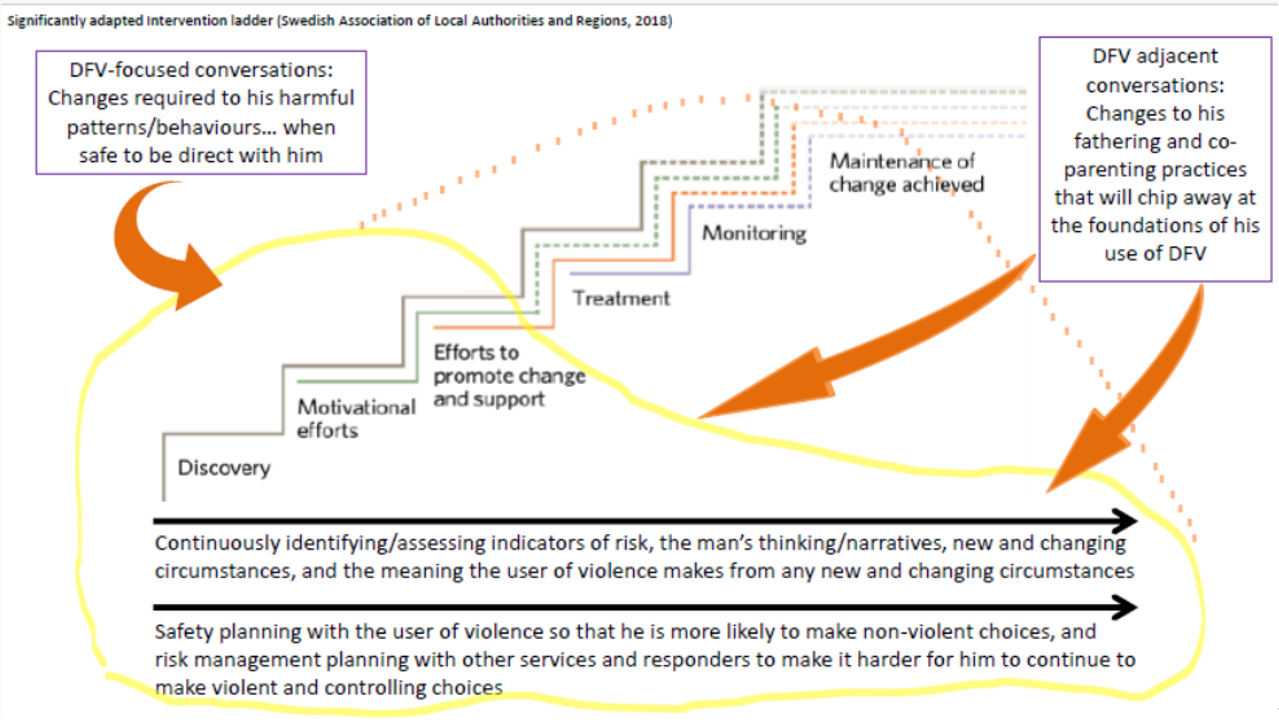
Figure 4 The scope of practice. Vlais, R. 2025 training. Significantly adapted from the Intervention ladder, (Swedish Association of Local Authorities and Regions, 2018)
Note however that when working with a father or man who is attending a men’s behaviour change program or other appropriate intervention(s), you do have a role to share information with the program provider, learn how the program is attempting to work with him, and where possible reinforce or discuss with him how he can practically apply what he is learning from the program in his interactions with his family. This can help you to further build his self-management and safety plan.
Practice Strategies
An individual’s journey towards reducing and ultimately giving up their use of violence can be long, nonlinear, interrupted, and convoluted. It often takes many actions by several services, practitioners, and people over time to support this journey. Practitioners have a significant role to play, within scope, by engaging in safe, purposeful conversations that prioritise child safety and support accountability. Carefully raising a man’s use of violence is an important part of delivering a professional and child-centred service.
When engaging dads and men who use violence, it is important to avoid labelling, which can create defensiveness and hinder engagement. Developing a trusting, transparent relationship is crucial, enabling practitioners within this relationship to safely name DFV, challenge harmful narratives and actions, and implement strategies to mitigate the risks to children and victim-survivors.
- It’s really important that practitioners avoid joint sessions with the victim-survivor and the man if discussing his use of violence. This can imply a shared responsibility for his actions and put her at risk if she discloses in front of him.
- Do not ask about an adult’s use of DFV when a known or suspected victim-survivor is present.
- Even when she is not present, using information she disclosed in questions to him can alert him to her contact with services, increasing risk of retaliation.
- Be extremely careful not to reveal or hint at any disclosures that, if known to him, could endanger her or the children.
Practitioners are encouraged to:
- Engage each family member with compassion, prioritising child safety and using a DFV-informed lens.
- Be clear, honest, and transparent about their role.
- Emphasise violence is never acceptable, and that everyone has the right to be safe.
- Acknowledge barriers men may face in engaging, including shame, past trauma, racism, or mistrust of services.
- Describe specific behaviours and impacts rather than using broad terms like ‘domestic violence.’
- Listen actively to the man’s perspective while attempting to minimise collusion with violence-supporting narratives, especially regarding his child’s needs. (Refer to the diagram on midpoint skills and minimizing collusion)
- Avoid language that blame victim-survivors for ‘failing to protect’, or service-generated actions or responses that infer that they are responsible for whether their children are experiencing the violence.
- Understand how the father’s use of violent and controlling behaviour might be causing, exacerbating or making it extremely difficult for the victim-survivor to address any substance use, mental health or other incapacitating issues that is dealing with.
- Recognise cultural and spiritual obligations that may influence decisions to stay.
- Understand that many victim-survivors want the relationship to continue, but the violence to stop, 1800RESPECT (n.d.).
- Consider victim-survivors’ decisions in the context of coercive control, survival strategies and wanting to maintain dignity (Network of Alcohol and other Drugs Agencies, 2021).
- Assist victim-survivors to resist internalising shame or blame caused by violence or societal attitudes.
Three Anchor Points when Engaging Dads and Men
Rodney Vlais outlined some practitioner preparation tips about the three anchor points, (Vlais, 2024) available on LinkedIn, with inspiration from the Caring Dads - Stronger Families program, Safe & Together institute, and invitational narrative practice. The Caring Dads program is a trauma-informed intervention aimed at improving child safety by working with fathers who have used violence (Stronger Families, n.d.).
Safe & Together institute (n.d.) provides training and resources to help professionals adopt a child-centred, perpetrator-focused approach to domestic abuse cases.
The first anchor point is to create a positive emotional space for the man to see what he can gain through the support you and other services are offering him – engage with him like you would any other father about being the best he can be for his children. Together you can explore some important concepts for his children, including what he is doing, or could do, to help them feel safe and happy, including things that he could do differently or better.
Create opportunities where you can focus on the second anchor point at the bottom of the diagram. These include conversations about the positive qualities of his partner or ex-partner as a parent, and what she means to each of their children.
Check-in with him. Support him to sit safely with the tension of how the harmful behaviours he’s willing to admit to are not consistent with being the dad he wants to be and move towards. Explore his views on the following topics:
- What being the ‘best dad’ he can be might look like to his children and family? This can reveal inconsistencies between intent and actions, offering a pathway to growth.
- What his children and partner might say if they were asked this question?
- What he wants to model to his children?
- What his hopes are for his children?
- What he does, and can do, to contribute towards these hopes?
- Encourage dads and men to self-monitor during sessions to prevent escalation. Discuss the body’s reaction to stress and help the man to identify his own physiological signs of stress to help him recognise when to “take a break” from the conversation.
- Set up emotional safety for the conversation. Adopt a strengths-based approach towards the strategies dads and men use to manage discomfort.
Scaffolding his self-responsibility for the conversation
- There is often a parallel process between a person stepping away from responsibility for their violence through using blame, minimisation, denial and justification, and the person stepping away from responsibility for the conversation about that violence. The practice concept of using immediacy can be a way of naming that and inviting the person to step into responsibility.
- An example of how to scaffold self-responsibility could be like this: “It feels like you don’t really want to be here?
- As much as I want to help you and your family at the end of the day it is your life — how much does it matter to you to be the best dad you can be?...
- So, it sounds like your kids matter a lot to you? I’m hearing that the kids matter a lot to you but that you also feel that talking to me is a waste of time. On the one hand, you don’t want to be having this conversation, but on the other hand, your kids mean the world to you… could you help me make sense of that? “. The practitioner is holding a mirror up to him of key contradictions, to encourage buy-in to the conversation.
- “ What strategies have you used in the past to hang in there with challenging conversations… to hang in there when you are feeling uncomfortable?”
- In a non-confrontational, non-persecutory way) place his resistance back with him — to promote his self-responsibility, self-ownership, self-accountability of his resistance. For example: “I’m hearing you say that there’s nothing for you to work on to be a better dad, is that right? “
- He needs to own his resistance, rather than you as the worker getting pulled in to work much harder than he is. Hold the mirror up to what he is saying, and he might back down a bit and give you something to work with.
Find the hook(s) to encourage his own stand against the harmful behaviour. When men acknowledge harm but don’t label it as violence, practitioners can ground the conversation in child development, highlighting the lasting effects of exposure to violence. Listen out for and proactively assess for indicators of serious risk and harm.
Develop a safety plan or self-management plan with him about what he can do to move away from causing the harm and springboard towards alternative behaviours aligned with positive values. A Perpetrator Action Plan Toolkit can be found on Rodney Vlais’ LinkedIn account Perpetrator Action Plan Toolkit.
Springboarding is a practice concept on how to use a conversation about the positives of what the father wants to move towards in his behaviour and model to his children a better version of himself as a father. A means of then springboarding the focus away from bottom lines of the father’s harmful behaviour and being transparent with him, when it’s safe to do, so, about the behaviours that need to stop. How the father treats the mother of their children, is one of the most important things he can do as a parent.
As trust develops these conversations can extend over time to transparently discuss more of the bottom lines, his harmful behaviours which should stop in exchange for more supportive behaviour which ideally starts; this leads towards the third anchor point. Build upon his language while minimising collusion. Invite him to talk more about his behaviours and the impacts. Be aware that he might only be disclosing, or willing to think about, the beginning of his harmful behaviours and their impacts.
Rodney draws on these resources and refers to the three anchor points, as shown in Figure 5 below.
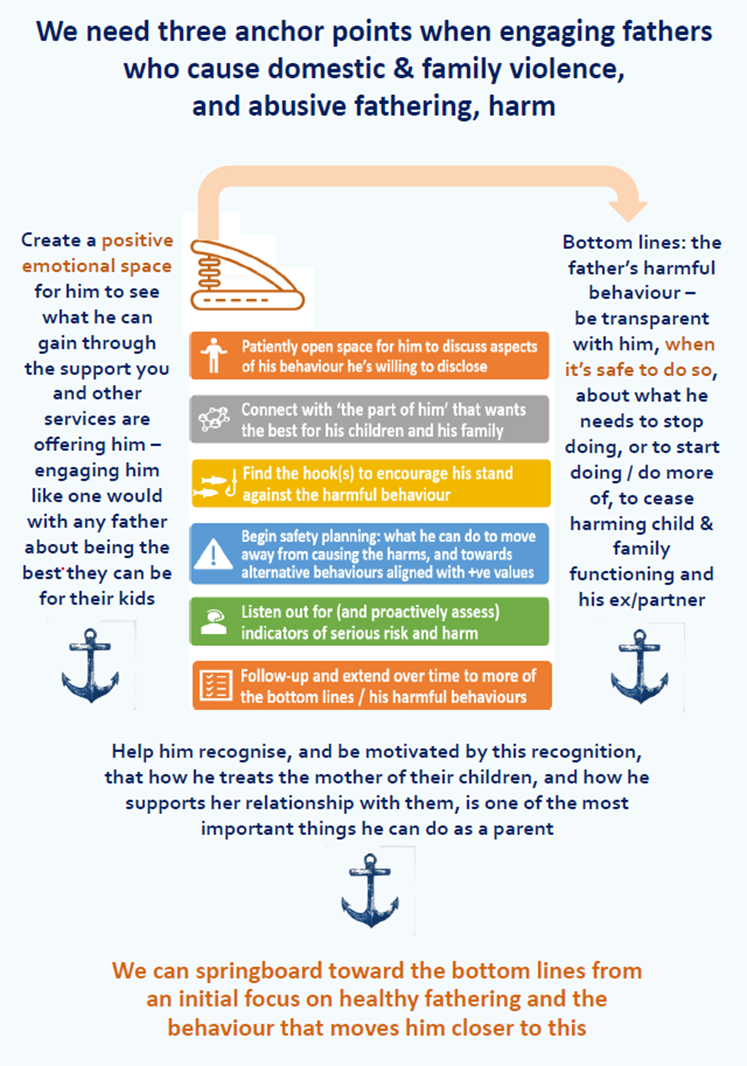
When he starts to focus negatively on the actions of others or enters “I’m the victim” narratives, use mid-point skills and the conversational container to keep the focus on him and his choices [these are discussed in Midpoint skills]. Anticipate how he may respond and practice responding in a way that is neither collusive nor oppositional or persecutory. Be aware of how he is responding, don’t flood him with shame. A Perpetrator Action Toolkit that focuses on safety planning with the adult user of violence would be very useful.
Further Reading
Choose to change your behaviour your choice toolkit
Engagement Strategies to prevent Escalation
- Build rapport and create a positive, respectful space so he sees value in staying engaged.
- Normalise that some topics will be challenging, as striving to be the best parent involves self-reflection.
- Use a strengths-based approach to support him in managing strong emotions during difficult conversations.
- Ask how he can monitor himself and signal if he needs a break.
- Apply selective empathy and validation so he feels heard without colluding.
- Avoid being overly confrontational; manage your own urgency to “hold him accountable” prematurely.
- If he escalates, acknowledge his feelings and offer a pause:
- “John, what you think and feel matters. Do you need a breather so you can share calmly? I know your kids matter to you, and this is hard to talk about.”
Use grounding techniques of self-care at the end of the session to help him leave the conversation safely. If the practitioner notices the man who uses violence is escalating or experiencing distress, they need to safely move the conversation away and end it. If the man who uses violence is flooded with shame, they may self-harm, harm someone else, or disengage from the service. In some cases, it may not be safe for the practitioner to engage with the man who uses violence at certain points of time during intervention.
The clinical assessment for these decisions must be documented in the case notes, including the collaborative decision-making process. In instances where risk is unable to be mitigated through service intervention practitioners are advised to alert their line manager of heightened risks and follow relevant organisations’ policies and procedures to manage and respond to the risk.
Verbal Mid-Point Skills
Rodney Vlais explains verbal mid-point skills as a strategy to minimise collusion – a critical aspect of safe and effective practice. Collusion refers to any response that inadvertently or deliberately supports or validates a perpetrator’s beliefs that justify or excuse their violent behaviour. Collusion can be subtle and unintentional; consider the following examples:
- Nodding or smiling when a man expresses violence-supporting beliefs. For example, becoming “matey” with the man or empathising with his victim stance may signal agreement with sexist comments even if subtle. The man may blame his violence on his upbringing, mental health issues, substance use or trauma that he has experienced.
- Framing violence as mutual or caused by external factors like stress or substance use (Vlais, 2021).
- Using charm, humour, or manipulation.
- Presenting himself as a victim or the reasonable parent.
- Blaming his partner or external systems.
- Minimising, denying, or justifying his actions (Vlais, 2023).
At the other extreme, practitioners should avoid becoming persecutory or oppositional, demonstrating no empathy for the traumatic experiences he may have encountered. This can create an environment where the man remains defensive, focused on pushing back, thereby avoiding any need to think differently about his behaviour.
Instead, Rodney Vlais advocates for a middle ground between being overly collusive and overly confrontational. The practitioner is encouraged to bring a respectful, selectively empathetic, invitational approach to the work. These skills are referred to as mid-point skills and include the following examples:
- Invite the man to consider the impact of his behaviour on his children
- If this feels too shame-inducing early on, ask him to describe what being the best dad he can be looks like:
- What would his children see him say and do?
- How would they see him manage difficult emotions?
- How would he treat their mother?
- What positive actions would he take behind the scenes?
- Explore the positive impact this would have on his children and family, and how important it is for him to strive toward this vision.
- Once trust is established, invite him to consider what it looks like when he’s far from being that best dad—and the impact on his children.
- Avoid affirming statements that could be interpreted as agreement.
- Avoid immediately challenging disrespectful remarks early in engagement; note them for later discussion.
- If comments cross a line, set limits calmly and without shaming.
- When doing so, manage your own discomfort and invite him to reflect on why respect is important for everyone in the conversation.
- Use reflective listening to acknowledge his feelings without endorsing harmful narratives. (Vlais & Badger, 2021)
- Shape the conversation with boundaries (set limits) to keep the problem in focus. Use respectful interrupting.
- Centralise safety.
- Relate his behaviour to his needs and the impacts on him.
- Direct open questions to him about his behaviours.
- Focus on the safety of those affected by his violence, his responsibility, and his choice of behaviour(s).
- Respectfully discuss that using violence is a choice and he is accountable for the impacts of his choices.
- Acknowledge that it may feel like reactions happen automatically, but support is available to slow things down.
- Emphasize that he can learn responses aligned with who he wants to be—a safe man and the best father—rather than reacting to old patterns, beliefs, or past experiences.
Minimising Collusion (Vimeo 12 minutes): This video shows a practitioner talking with a man who has used violence. In the conversation, you can see how the practitioner uses midpoint skills and avoids supporting or agreeing with the violent behaviour.
Rodney Vlais created a diagram (figure 6) that highlights key concepts when working with dads and men who use violence. Rodney led the development of the NADA Practice Resource for engaging men who perpetrate domestic and family violence in alcohol and other drug (AOD) treatment contexts. Strategies from the Common Elements training are also echoed in the NADA practice resource (2021) when engaging dads and men who perpetrate domestic and family violence.
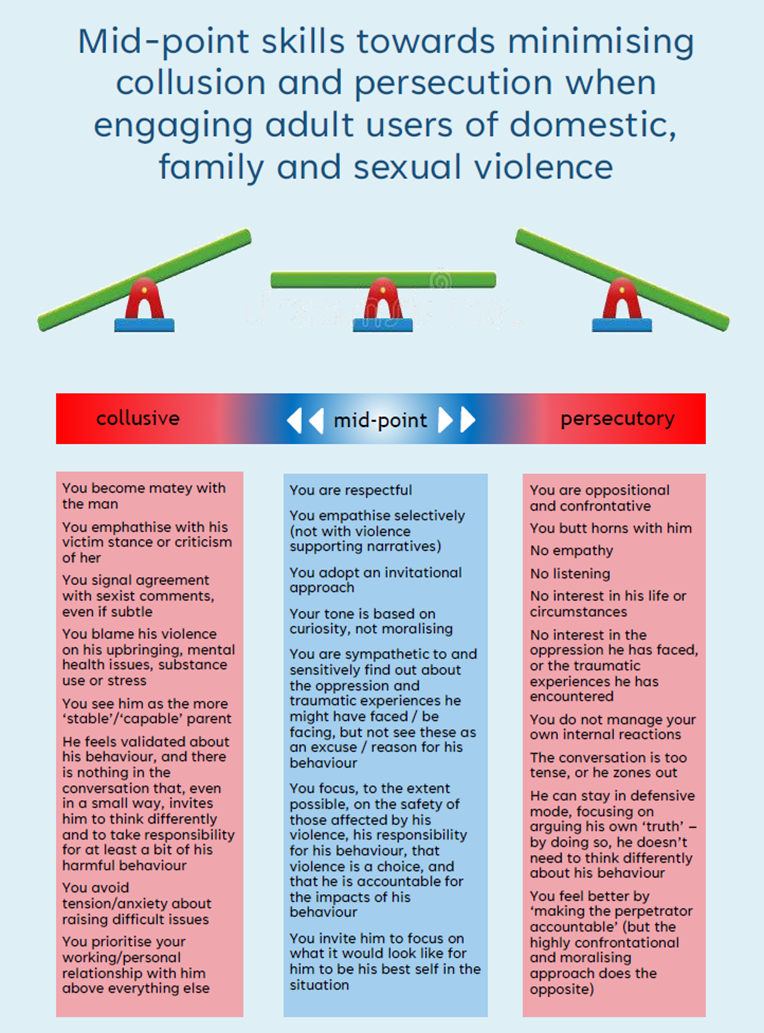
Figure 6. Finding the mid-point, minimising collusion and persecution. by R. Vlais, 2025. Online Flipbook p 44
Further Reading
Minimising Collusion (Vimeo 12 minutes)
Men working with men in intensive family services: Reflections on violence, trauma life worlds, and organic interventions. (Centacare YouTube 2 minutes)
Talking about family violence: Men talk about what helped. (Ministry of Justice YouTube 8 minutes)
Micro-skills for Practitioners
The points below, while not taken directly from Vlais’ diagram, (Figure 7) include a variety of micro-skills that practitioners may find helpful in this work:
- Maintain neutral body language.
- Ask open-ended questions that focus on behaviour rather than justification.
- Reframing — demonstrate that you have heard the man while also shifting from negative to neutral evaluations of another’s behaviour. For example, if the man says, “Her nagging…,” the practitioner reframes to, “When she raises a concern about…,” or “When she expresses her opinion about…”
- Express empathy selectively in a way that minimises the risk of collusion.
- Create a safe set of rules. For example, listen and let the person finish speaking, look at the person when speaking, consider the options for solutions together, and consider the safety of the children.
- Inviting reflection without moralising. Frame questions as invitations rather than judgements. (For example, “I have an idea John — see if it fits with your experience…or , “Could it be possible that…”)
- Use visual prompts to encourage reflection (For example, “On this piece of paper I’m going to draw “calm Dad” behaviours on one side and “not calm” behaviours on the other).
- Demonstrate curiosity, respect and empathy without reinforcing the use of violence or violence-supportive attitudes.
- Emphasise that the man always has a choice about how he responds to situations that are not to his liking. For example, ask, “If you could rewind the clock, what else could you have done at that point?”
- Understand the man’s core beliefs that underpin his violent behaviour:
- Male entitlement: Belief in the right to control, dominate and set rules, and/or that it’s his partner’s responsibility to not ‘upset him’ or ‘make him’ feel angry, jealous or vulnerable.
- Victim stance: Feeling wronged, including when challenged, and believing that his violent and controlling behaviour is justified through making himself out to be the ‘victim’ of his partner’s and other people’s ‘unfair’ or ‘unreasonable’ behaviour towards him.
- Violence-supportive narratives: Justifying or excusing violence through a cultural, relational, or personal lens.
- Avoid arguing or debating his perceived facts; instead, help him to understand the impact his behaviour has on his children and, therefore, on his dreams and hopes as a parent.
- Build rapport by exploring his hopes and dreams for his children:
- What kind of dad do you want to be?
- How did you learn about the pregnancy?
- How did you decide to be a father/take on a fathering role?
- How do other services talk to you about being a dad?
- Ensure each meeting has a clear purpose to:
- Inform ongoing risk assessment, risk management and safety planning.
- Encourage discussion of harmful behaviours.
- Link his behaviours to their impact on children and parenting goals.
- Motivate consideration of a referral to a specialist service such as a Men’s Behavioural Change Program (MBCP).
- Explore other issues affecting parenting capacity and safety.
- How practitioners might engage with men who are not yet ready or willing to reflect on their use of violence:
- Maintain a positive service experience, for example, validate seeking help, normalise uncertainty and provide structured ‘soft entry’ points to stay engaged with the service.
- Be honest, increase relational trust; this can later support engagement and benefit the family.
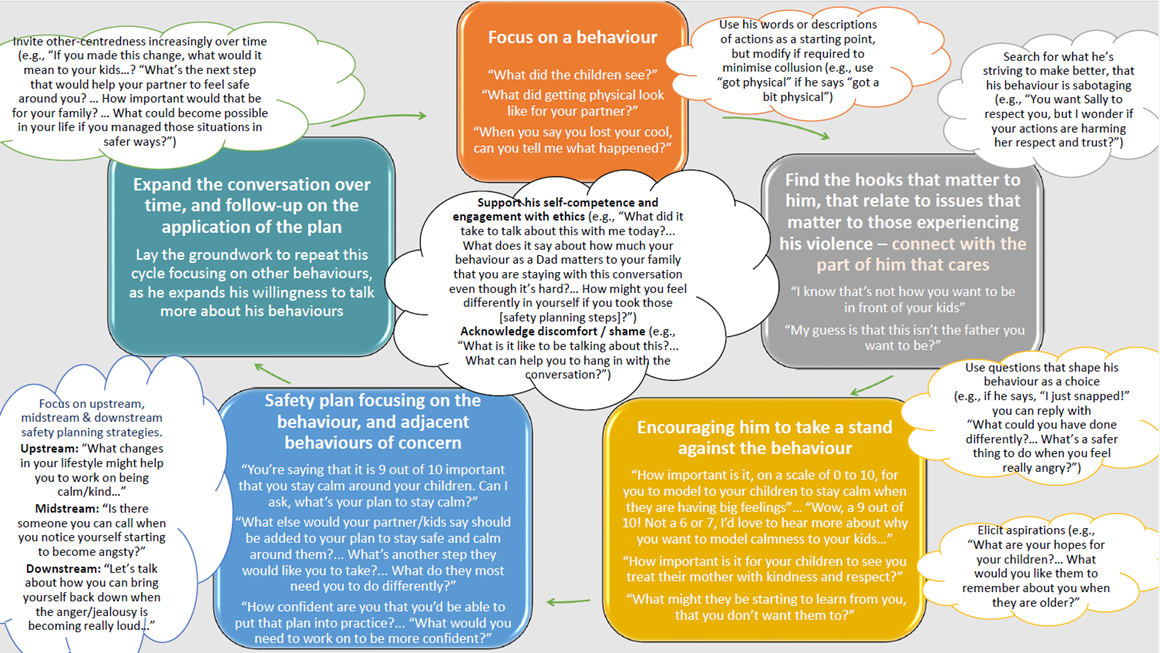
Figure 7: Concepts in engaging adults using DFV. Adapted from Concepts in Engaging Adults Using DFV, by R. Vlais Online Flipbook p72
Safety and Self-Management Plan with Dads and Men
Developing an individual safety plan/self-management plan with dads or men using violence can help in the following ways:
- Assisting the man to recognise changes stress makes to his body and to find alternative ways to manage and respond to his stress.
- Identifying non-abusive de-escalation and violence-interruption strategies, such as taking a walk outside, during situations when he thinks he is at risk of using violence.
- Work towards the goal of stopping harmful behaviours towards family members.
- Increasing his willingness to interrupt himself when he notices that his behaviours are escalating and to do something proactive and non-abusive to manage himself and keep others safe (For example, go for a walk or call someone).
- Encouraging him to engage with services proactively as his circumstances change.
“Having empathy for the man is the key to being able to engage him. Understanding the reasons why a man will use violence is important (for example, he was raised in a house where violence is used and is considered “normal”) but also being clear about the behaviour not being ok and this is what you are here to address.” LEN Advisor 2025
Self-management plans can also support compliance with protection orders and court conditions and encourage active participation in a Men’s Behaviour Change Program (MBCP). There is a list of MBCP in Appendix 1. Practitioners are encouraged to involve or consult with specialist DFV services or MBCP providers where they are available.
Further Reading
Resources for responding to adult users of domestic, family and sexual violence Rodney Vlais 2025 (refer to Module 19 on Safety planning with adults who cause harm, and Module 20 on Perpetrator serious risk action plan tool)
MARAM Practice Guides for professionals working with adults using DFV
MARAM Intermediate Safety Planning Conversation Model
Working with Shame
Alan Jenkins has written extensively about shame-sensitive practice and invitational narrative therapy in his books, Becoming Ethical, and Invitation to Responsibility. Jenkins (2009) describes working with men who have used violence as a shared journey, where practitioners also reflect on their own beliefs and values to support ethical change.
- Men’s Internal Conflict — despite outwardly disrespectful or self-centred behaviour, many men feel haunted by their actions of domestic violence. Their reactive shame often leads to avoidance, blame, and emotional volatility.
- Deconstructing Blame and Shame — practitioners are encouraged to help men distinguish between actions and intent, and shift from reactive to responsive shame. This involves fostering body awareness, naming emotions, and tolerating discomfort.
- Invitational Narrative Approach — focuses on curious inquiry and ethical preferences about how men wish to live. It encourages self-generated change in a non-judgemental, safe space and maintains a strong emphasis on accountability and safety for women and children.
- Practitioner Sensitivity — practitioners should expect rapid emotional shifts and physical manifestations of shame. The goal is to help men to recognise, name, and reflect on these experiences.
- Reflection — this approach is both gentle and rigorous; it does not excuse violence but seeks to understand the emotional and cultural underpinnings that sustain it. By helping men reconnect with their ethical selves, it opens the door to authentic accountability and sustainable change.
These questions are consistent with Mandel’s Safe & Together Model (2017), approach to engaging fathers who use violence, which focuses on their parenting role and aspirations as a lever for change:
- What kind of family have you been striving for?
- What hopes and visions did you and (partner’s name) have when you got together?
- How did it affect you when (insert child’s name) was born?
- What have you wanted to provide for your child?
- What have you been striving for as a father?
- How are you wanting (insert child’s name) to regard their dad? This type of inquiry may enable the man who uses violence to experience greater awareness of and connection to feelings of love, care, loyalty, and protectiveness. This may create a space for reflection on actions, a commitment to change and ethical remorse where he might reprimand or reproach himself (for example, by expressing thoughts such as ‘What have I done? How could I have done it?’).
“Using labels like “perpetrator” or “drug addict” doesn’t work ... Negative labels keep people in it. Blaming and shaming doesn’t work. Let’s remove the labels — this man is a human being who also needs help — he needs a safe place with safe people so he can begin to open up about the hurts that fuel his anger.” LEN Advisor 2025
Further Reading
Ethical Responses to Working with Violence and Abuse — Adelaide Narrative Therapy Team
Can Men’s Behaviour Change Programs Truly Partner with Survivors? Safe & Together Institute
Resources for responding to adult users of domestic, family and sexual violence Rodney Vlais 2025 (especially Module 12 on Shame)
Mensline Tip sheet: Men and emotion
Invitations to responsibility: The therapeutic engagement of men who are violent and abusive (Alan Jenkins, 1990)
Becoming ethical: Parallel political journeys with men who have abused (Alan Jenkins, 2009)
Pre-empt Entering a Difficult Conversation
Any conversation with a person about his DFV behaviour is likely to become difficult. Iwi and Newman (2015) advise practitioners to pre-empt this discomfort. Taking a pre-emptive approach signals to the man that he should take some responsibility for how he is feeling. The indirect message is: if you are agitated, please let me know rather than becoming abusive or aggressive towards me.
Possible responses:
- I’m going to ask you a few questions that might be uncomfortable to talk about. I have some concerns about how things are going at home, and it’s important that we work together to have an honest conversation about this.
- Sometimes when I talk about these things with clients, they feel the need to take a break. If you feel that way, could you let me know?
“As a worker you have to be able to read the cues and the body language of the family and hear what is not being said... to really make sure that everybody will be safe after you leave.”LEN Advisor 2025
Ecomaps in DFV Assessments for Risk
Ecomaps can be used to unobtrusively assess relationships and risk in the context of engaging men who use violence (Social Work Portal, n.d.). They are a way of exploring and mapping a range of issues in a person’s life that might affect their goals and their likelihood of achieving them. This can include:
- Financial situation
- Food security
- Employment
- Education
- Housing
- Culture and identity
- Community connections and sense of belonging
- Extended family
- Friendship networks and peer support groups
- Transport options
- Access and connection to social welfare and professional services
- Telecommunications access
- Physical health
- Mental health issues and supports.
For a man using DFV, for example, in terms of housing, if they are living together and renting, is the lease only in his name? If so, this would indicate a risk of the victim-survivor experiencing homelessness. Is she experiencing physical health issues or disability that might make her dependent on him? These questions help to build an ecological diagram for the strengths, risks, and risk mitigation strategies that need to be considered in the safety plan. Extending an ecomap in this way can also be a means of assessing some aspects of the situation to identify possible indications of isolation and entrapment.
Further Reading
Improved and enhanced training to use the Five Essential Discussion Tools - NTV
Conversational Container
Vlais (2025) describes the conversational container as a set of micro-skills used to respectfully keep the conversation on track, given that we want the man using violence to be able to sit in some discomfort to talk about things that he might otherwise want to avoid. (Figure 8)
Rodney Vlais’s online flipbook explains a range of skills that can be used to stay in the mid-point:
- Contracting: this micro-skill helps establish a clear focus for the conversation by explaining your intended direction, its purpose and how it benefits them.
- Re-contracting: respectively bring him back to the reason and how he would benefit from this focus.
- Redirecting: When the adult using violence criticizes or blames the victim-survivor, we can gently redirect the conversation back to him in a positive, non-shaming and invitational way.
- Setting limits: Interrupt or wait for a pause to set limits in a way that avoids shaming. Remind him of the benefits of staying respectful, inviting this behaviour because of those benefits- not from a ‘politically correct’ stance.
- Signposting: Signal where you intend to take the conversation next, rather than abruptly moving on. Preparing him for challenging parts can make him more willing to follow your focus.
- Normalising: Normalise the focus by framing it as routine, so he doesn’t feel singled out. This can also reduce suspicion about what his ex/partner has disclosed.
- Talking about the talking: Use this fallback micro-skill when things aren’t working – pause to discuss what might help get the conversation back on track, while managing your own frustration.
- Support self-management: Often, stepping away from responsibility for violence through blame, minimisation denial or justification parallels stepping away from responsibility for discussing that violence.
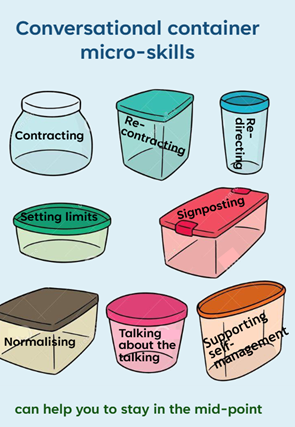
Figure 8. Conversational Container Skills. Vlais, R. 2025. Online Flipbook p 46
Skills from the conversational container, can aid the practitioner in keeping in the mid-point. Not being collusive nor persecutory.
Explore Internal Motivation
These are conversations that aim to bring awareness to the gap between a man’s current behaviours and their values and intended behaviours. In doing this, practitioners are exploring and exposing a man’s internal motivation to change. This is outlined in more detail in Figure 9 below.
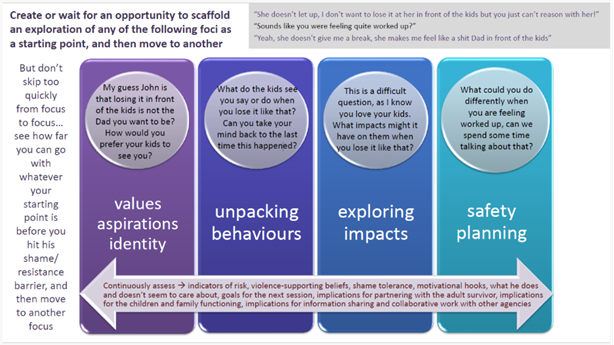
Figure 9 Vlais, R. (2025) Responding to adult users of domestic family and sexual violence. Online Flipbook p94
Possible responses
- I can hear that becoming a calmer, more dependable man is important to you. You’ve mentioned how you can become ‘all over the place’ and unreliable when you drink – that it takes you away from being the type of calm, easy going person you’d like to be. Is that right?
- I wonder, when you get physical with (insert name), does that also take you away from being that calm, dependable man you want to be?
- If I can interrupt here — sorry to speak over you, but you mentioned before that (insert name) was close to calling the police. And you agreed that there is a possibility that (insert name) was feeling quite afraid. We don’t know for sure — (insert name) isn’t here to share her perspective — but I wonder if there have been other times when (insert name) has felt unsafe around you. In any case, say your behaviour has made (insert name) feel unsafe, at least from time to time. How does that affect you wanting to be a calm, dependable man? [Note that the practitioner uses the victim-survivor’s name rather than ‘she’ as much as possible, to humanise her as a person with her own needs and experiences].
Other questions that can be used to explore values, behaviours and impacts include:
- What’s important to you in being a partner/dad?
- What’s important to you about family?
- What does family safety mean to you?
- What differences would people see if you were a calmer, more dependable man?
- How would you be calmer and more dependable benefit other people?
- On a scale of 0 to 10, how important is it to you to be a calmer, more dependable man?
Bring the Child into Focus
Children can be acutely aware of the atmosphere around them. They notice all sorts of behaviours, feelings, or vibes, just by noticing their surroundings. Children, like adults, notice their surroundings to try to get a sense of what’s safe and what’s not — often to help protect themselves. It can be hard for dads and men to understand that their children are being affected by their behaviour in ways of which they were not aware.
Possible responses
- Could you tell me a bit about each of your children?
- What do they like doing? What do they find difficult?
- How do you think your behaviour affects your hopes as a parent?
- What is your son learning from you about how to treat girls and women?
- What is your daughter learning from you about how women should be treated in a relationship?
- What will happen if they take these learnings into their own relationships?
- How might your children see you in ten years’ time, if they continue to experience the behaviours you are using at home?
- How do you think relating to their mother with respect rather than violence might benefit your children?
- How do you think your children would like you to treat [name of their mother]?
- How important is it for you to be the best dad you can be?
- Are you ready to start looking at how your behaviour is getting in the way of that?
- What can I do to help you become ready to start looking at the behaviours you want to change?
Referral to a Men’s Behavioural Change Program
Drawing from the works of Rodney Vlais, David Mandel, and Alan Jenkins, there is compelling rationale for referring men who use domestic violence to a MBCP:
- Accountability Over Excuses — Vlais emphasises that MBCPs strongly encourage men to take responsibility for their actions and not blame stress, alcohol, or their partner. This is foundational for genuine change. (Vlais, 2023)
- Relational Repair Through Respect — Jenkins’ narrative approach highlights the importance of restoring dignity, both for those harmed and for the men themselves, by fostering respectful, non-violent relationships. (Jenkins, 2024)
- Safety as a Central Goal — Mandel’s child-focused lens reminds us that partner and child safety must be the priority. MBCPs help men understand how their behaviour affects everyone in the family system. (Mandel, 2014)
- Sustainable Change, Not Quick Fixes — these programs promote long-term behavioural and attitudinal shifts, not just short-term compliance. They help men develop empathy, emotional regulation, and healthier ways of relating.
- Social Accountability and Community Impact — Vlais also stresses that violence is not just a private issue, it’s a social problem. MBCPs situate men’s change within broader community responsibility and cultural norms.
There is support for men who use violence to change their behaviour, with a list of Men’s Behavioural Change Programs, in this document (Appendix 1).
Discussions regarding specialist supports and referrals for the person using violence should occur with the victim-survivor in safe, private and confidential ways, supporting the victim-survivor’s right to be informed and to support safe decision-making. Men’s behaviour change programs should include provision for a women’s safety support practitioner employed either by a program provider or a Women’s Safety Support Service to reach out to the victim-survivor to offer confidential support and safety planning, and so that she has a voice in the approach that the program adopts with her partner.
Practitioners are encouraged to seek local information from their organisations and communities about services operating in their geographical areas, including options for telephone services where in-person services are not available.
“Men need support during difficult times — a phone number of someone he can call when he is not coping….Practitioners could say something like, “Let’s get you somewhere you can talk — about what has hurt you.” LEN Advisor 2025
Possible approaches
- I’d like to provide you with some information about a service for men I talk about with many of my clients. It’s called (insert name). It’s a service for men who have noticed or have concerns their behaviour is affecting the people they care about or is making their life harder. Can I give you, their details?
- Giving the (insert name) a call is a big step. When you leave today’s session, what sorts of things might go through your mind to talk yourself out of making the call?
- What other things might you need to do to feel able to make this call?
“We need to find strengths in the man that can help build his confidence in a positive way. Building up self-esteem and confidence can promote healing.… providing a man with choices is helpful — offering a group or 1:1 setting — maybe this can make the man feel empowered to choose his best option?”LEN Advisor 2025
Further Reading
The Australian Association of Social Workers Case Notes
SA Domestic Violence Crisis Line
1800RESPECT telephone and chat service
SAPOL - Domestic Violence Disclosure
Domestic Violence Disclosure Scheme – Women’s Safety Services
Case Management
Practitioners are encouraged to collaborate with specialist DFV service providers as and where required and available. In situations where a specialist DFV service provider is not involved, which may often be the case, practitioners take the lead in supporting the entire family. An example of this is the Case Management Framework (Department of Human Services, n.d.) used by DHS.
Case management responsibilities include:
- The wellbeing of the children.
- The immediate health and safety needs of all involved.
- The impact of the man’s patterns of violent and controlling behaviour on the victim-survivor’s parenting, and her bonds with the children.
- Mandatory child abuse reporting obligations.
- Some men who use violence can experience one or more complex needs that might reduce the man’s capacity to participate in a men’s behaviour change program or other appropriate interventions, and/or that might contribute to the severity of risk. Factors such as substance misuse, mental health problems, past experiences of trauma, problem gambling and impoverishment are not underlying drivers of men’s use of domestic and family violence but can serve as important contributing factors.
- Where possible, refer the father to a men’s behaviour change program or other family violence specialist, even in the presence of complex needs. They will be able to do a risk and needs assessment to determine what sequence of interventions might be required, or whether complex needs can be met in parallel with the man’s participation in a DFV behaviour change program. They will also be able to advice if trauma-focused counselling might be helpful at a later point.
Assessing Risk
Before visiting the family, prepare by assessing risk with the information you have, as outlined in the earlier section on Practitioner Safety and Preparation for Engagement (p14).
Risk assessment is an ongoing, dynamic process that informs safety planning and risk management, and it should be reviewed at every interaction, particularly when there has been a change in circumstances. Risk levels can change quickly, and practitioners must remain vigilant (NADA 2021).
Further issues to consider when engaging with dads and men using DFV:
- Avoid disclosing information that may increase risk to the child, victim-survivor, or others.
- Collaborate with the child, victim-survivor and other services involved on what and how information is safely shared.
- Do not conduct joint interviews/sessions with the victim-survivor and perpetrator if there will be any focus in the session on his use of violence.
- Use a private space to engage.
- Where staffing allows have separate practitioners to engage with each parent. It can be difficult for a single practitioner to engage authentically with both. Where available, engaging specialist services to work with the family may be beneficial.
- When a person using DFV realises the effect of their coercive control behaviours on their family, this can increase the risk that the person will hurt themselves and/or others (Victorian Government, n.d.).
- Conversations about safety planning and risk management may also escalate risk. It may be unsafe to continue your conversation if you notice levels of hostility towards the victim-survivor increasing, or if the man becomes highly agitated. If this occurs practitioners are encouraged to focus on de-escalating and calming the man down to a safe state before ending the session (Victorian Government, n.d.).
- Check in with the victim-survivor and, where appropriate, the children after meetings to help monitor safety and plan for any possible fallout because of the session.
Safe closure of the session can be done in several ways, including:
- Checking in with the man about how he is feeling about the conversation.
- Acknowledging the difficulty of having this type of conversation.
- Reflecting on the man’s contributions to the conversation, including any responsibility taken for behaviour or goals set.
- Agreeing on actions the man can take after the session and ways to review progress, including safety plans.
- Discussing plans for the next appointment and how the man can seek help in the interim.
If there are indications of immediate danger, for example, the man has access to weapons or other dangerous items or has known connections to Out-law Motorcycle Gangs (OMCG), practitioners should ensure the victim-survivor is not left alone. Any safety plan developed should include emergency contacts and safe places.
If the victim-survivor or children disclose incidents of violence or the practitioner identifies that DFV indicators are present, it is recommended that the practitioner complete the South Australian Domestic Violence Risk Assessment (DVRA). This research-based tool helps assess intimate partner homicide risk by identifying behaviours and characteristics linked to heightened danger. It reflects risk and vulnerability at a specific point in time. Practitioners should:
- Complete the DVRA using referral information, collateral information from collaborative services, and client conversations.
- Ensure the form is not filled out by the victim-survivor, but by the practitioner and is discussed using accessible language.
- Closely observe the patterns of abuse, language, emotional state, and attitudes.
- Understand the levels of fear experienced by the victim-survivor as they are the best judge of their level of risk, being most familiar with the patterns of behaviour of the person perpetrating DFV against them, according to 1800 RESPECT (n.d.).
- Provide a standard, medium or high-risk indicative risk score (note this can be overridden through the exercise of professional judgement based on concerns of imminency, derived through interviewing the victim-survivor and/or man using violence.
- Understand the risk-level guide urgency of response and referral processes to a Family Safety Meeting (via the Family Safety Portal). Note this applies only to people aged 16 years and over [Refer Family Safety Framework Practice Manual for more information].
- Ensure the DVRA is never completed or discussed with the man using violence.
- Be aware DFV incidents may also require a Critical Client Incident report if working in DHS or your organisation’s equivalent requirement.
In addition to DVRA findings, practitioners should also consider other factors that may increase risk and apply immediate safety measures where needed.
Other risk factors to consider:
- Victim-survivor’s own perception of risk
- Abuse of pets or animals
- Parenting or court proceedings
- Social isolation and lack of support
- Substance misuse by the man using violence, including any recent cessation without recovery.
New or changed circumstances can trigger acute spikes in risk. Examples include worsening substance use or mental health, separation or increased resistance from the victim-survivor, anger about court proceedings, losing a family law case, or job loss linked to violent behaviour.
Risk is not only about the event but the meaning the perpetrator assigns to it. For instance, a man with strong possessive jealousy may react violently if his ex-partner begins dating. Understanding these interpretations is critical for anticipating escalation.
Key practice:
- Monitor for new or changed circumstances.
- Explore how the man interprets these changes.
- Anticipate triggers based on his patterns and characteristics to prevent harm.
Remember, in an emergency, always call 000.
Further Reading
Resources for responding to adult users of domestic, family and sexual violence Rodney Vlais 2025 Module 18 -Learning about ongoing/ fluctuating/ escalating DFSV Risk through engaging the adult person causing harm.)
DHS Case Management Framework - Safer Family Services
South Australian Domestic Violence Risk Assessment (DVRA)
Family Safety Framework Practice Manual
Critical Client Incident Report
A Critical Client incident report process is designed to ensure that all incidents, affecting clients are effectively and consistently identified, reported, responded to, managed, and monitored. This policy supports the health and safety of clients and ensures that critical incidents are reported to the minister as they are declared.
In DHS, we complete a PEP Critical Client Incident form and/ or a Potential Client Incident reporting forms. For more information about how to report please contact DHSCFSServiceInvestment@sa.gov.au.
For all accidents, incidents and near misses, notify your supervisor, employ the safety and quality mechanisms in DHS or partnering services.
Further Reading
Engaging men who perpetrate DFV in an Alcohol and Other Drugs treatment context (YouTube 1 hour)
Choose to change: Your behaviour, Your choice. Safe Together Institute
MARAM DFV practice guides and resources | vic.gov.au
ESTIE-DFV Practice-Resource. Safe & Together.pdf
Risk Mitigation Strategies
Multi-agency and Collaborative Work
DFV requires a whole-of-system response. CFSS practitioners, alongside partner agencies, share responsibility for addressing DFV by bringing the man using violence into view, assessing dynamic risk, and promoting coordinated responses. Practitioners often work in partnership with other agencies and services such as South Australian Police (SAPOL), Department for Child Protection (DCP), specialist DFV services, youth justice and correctional services, schools, and health care systems. Collaborative working can both manage the immediate risks and promote long-term change that helps prevent future violence and supports the safety and well-being of affected individuals and families.
Privacy and Information Sharing
Working in isolation, or without effective information sharing, can reduce the impact of interventions and increase risk for victim-survivors and children. Collaboration across services such as schools and childcare providers is essential for identifying DFV escalation and supporting a shared approach to risk. Case conferencing is a recommended practice to support collaboration and partnership approaches. Information about serious risk can and should be shared between agencies under the Information-Sharing-Guidelines.pdf (Department of Treasury and Finance, n.d.) to protect safety and wellbeing.
Legal Matters
Victim-survivors need access to clear and accurate information to make informed decisions about their and their children’s safety. Practitioners can be a valuable source of information and referrals about legal matters, including:
- Intervention Orders (IO).
- Family law/parenting orders.
- Migration or residency issues.
- Housing and tenancy matters.
Victim-survivors should never be pressured to pursue legal orders. While such orders can support safety and engagement, they are not foolproof. The dads and men using violence may continue to exert psychological control, breach conditions, or maintain legal access to the child.
Practitioners should always consider the following:
- Encourage victim-survivors to report breaches of Intervention Orders to the police (SAPOL).
- Provide information about legal help such as Women’s Legal Services SA
- Reassess risk following any and every breach, as it may signal increased danger.
- If unsure, discuss with your manager, and consider the need to contact the MAPS duty line, or SAPOL DFV section.
Be aware that in some cases, actions by police and other statutory authorities in response to a breach may escalate the risk posed by the man using violence.
Further Reading
Coercive control in South Australia | Attorney-General's Department
Legal Services Commission of South Australia
Information-Sharing-Guidelines.pdf
Women’s Domestic Violence Court Assistance Service -WDVCAS - Home
Victim- Survivor Support Groups
SAPOL-Domestic-Abuse-Strategy-2025-2026
Family Safety Framework
The Family Safety Framework (FSF) is South Australia’s coordinated service response to DFV. It promotes interagency collaboration focused on the safety of women and children and the accountability of the dads and men using violence. Referrals to a Family Safety Meeting (FSM) are made after completing a Domestic Violence Risk Assessment (DVRA). Information is shared under the ISG. For more information, refer to the Family Safety Framework Practice Manual, Office for Women - Practice Manual.
Practitioners should note that these meetings are for information sharing only and do not trigger an immediate response to any imminent threat of harm or an emergency. In an emergency, always call 000.
CFSS Agency Participation in FSMs:
- Most CFSS agencies have a representative on one of the 17 statewide FSMs – practitioners should confirm contact details for their local representative through their own organisation.
- Practitioners can discuss cases with their agency’s representative.
- If a practitioner cannot share relevant information via the representative and wishes to attend the meeting directly, a supervisor or team leader must make the request to attend – practitioners should confirm local arrangements in their own organisation.
- Contact the FSM SAPOL Chair to attend a meeting and confirm the family is listed for review.
- If unsure who the Chair or agency representative is, email: DHSFamilySafetyPortal@sa.gov.au (Office for Women, DHS).
Multi Agency Protection Service (MAPS)
The Multi Agency Protection Service (MAPS) is an interagency information sharing model to manage domestic violence and related child protection matters. It co-locates representatives from partner agencies SAPOL, Department for Correctional Services, Department of Human Services, Department for Education, South Australian Housing Trust, SA Health, Department for Child Protection, and Women's Safety Services of South Australia), with SAPOL as the lead agency. Access is via the Office for Women - Family Safety Portal.
MAPS members share information about referred matters and issue actions to mitigate risk to vulnerable people, including children and victims of domestic violence (South Australia Police, 2024).
Child Abuse Report Line (CARL)
Practitioners must make a report to the Child Abuse Report Line (CARL) on 131 478 or via electronic reporting to DCP.
When there are DFV concerns and a child is in the care of either the victim-survivor or the man who uses violence report via the link.
A child or young person does not need to directly be harmed, or witness DFV, to be impacted.
Record Keeping
Record keeping is a critical element of safety planning and should be conducted in a timely manner. How we talk and write about violence is important. Effective responses are dependent on accurate accounts of violence. Remember to appreciate and communicate to victim-survivors the resourcefulness and ingenuity of their acts of resistance. Use language in records that denotes responsibility; language must not mutualise or minimise the violence as this is misleading and shifts focus away from the man who uses violence and his choice to use violence (ACT Government, 2020).
Whenever recording information regarding DFV, the focus must be on the actions or behaviours and the impact they are having on the functioning of the child and family.
Informed and accurate documentation is central towards moving away from victim-blaming and towards placing responsibility on the user of violence. Records are also used to guide, support and contribute to legal processes such as IO breaches, family court, or criminal matters.
Practitioners are encouraged to record information in the following ways:
- Clearly and in the child’s or victim-survivor’s language where possible.
- Describe the impact on the child, victim-survivor, and family functioning.
- Reference the ways the victim-survivor has protected the children from violence.
- Document the victim-survivor’s meaning-making around any new or changed circumstances (e.g. access to children or living conditions).
- Document responses from the man to claims made about his violent and controlling behaviours by statutory services or others. Document any ‘justification’ of unsafe behaviours ascribed to love or trauma-attachment and trauma-bonding.
- Document violent behaviours and specific patterns of coercive control, including what the man does to limit other family members’ space for action and to control their own lives.
- Never record information in a way that mutualises or minimises the violence.
- Hold the man who uses violence accountable, not the victim-survivor. For example, instead of writing, "Mum is not prioritising the children’s needs as she won’t leave the violent relationship," reframe it to, "The father continues to use violence and coercive control, putting both the child and mum at serious risk of harm.”
- Document DFV experiences and any protective actions taken by other family members. This can include dozens of actions taken daily or weekly to keep the family together and attend to the children’s needs the best she can.
- Ensure there is a record of:
- Patterns of coercive control.
- Impact on child and family functioning.
- Victim-survivor’s strengths.
- Intersectionality and comorbidities, e.g. mental health, DFV experience, AOD and Homelessness, and any ways in which the father’s behaviour causes or exacerbates the mother’s complex needs, comorbidities or vulnerabilities.
Cultural and Community Considerations
An intersectional approach is essential to effectively prevent and respond to violence against women. Overlapping forms of discrimination against people with disability, racism, and gender inequality can intensify both the frequency and severity of DFV for some individuals(Victorian Government, 2019).
Services must be accessible, inclusive, non-discriminatory, and responsive to the diverse needs of families. Identity is complex, and individuals should not be defined by one aspect of their identity (Victorian Government, 2019).
When considering these areas of intersection, the practitioner is encouraged to consider:
- How individuals respond to marginalisation and discrimination impacting them and their community.
- Barriers to accessing services.
- Establishing community relationships with statutory authorities.
- Collective or individual trauma linked to racism, transphobia, etc.
- Power differentials between access to power and privilege (e.g. white privilege, hetero-cis privilege, able-bodied privilege) and how this can create options for dads and men using violence to further control and entrap the victim-survivor.
Further Reading
LGBTIQA+ information on the DHS website
Supporting people who identify as LGBTI | 1800RESPECT
Everybody Matters: Inclusion and Equity Statement | vic.gov.au
LGBTQ Domestic Violence Awareness Day
Aboriginal Families
Family violence in Aboriginal communities should be considered in the context of the impact of intergenerational trauma, historical and current day racism.
“Trauma that comes from dispossession of land and identity, the breaking down of language and culture, and the fracturing of families and communities. There has been a long history of distrust between Aboriginal people and mainstream organisations because of the use of police, schools, and hospitals to remove Aboriginal and Torres Strait Islander children from their families. There are places which most Australian consider they can go to for help. This is not the experience of Aboriginal and Torres Strait Islander people, particularly women who experience family violence” (Safe and Equal, n.d.).
Aboriginal and Torres Strait Islander women are thirty-five times more likely to be hospitalised because of family violence when compared to non-Aboriginal and Torres Strait Islander Australians (Cox, 2015). While Aboriginal and Torres Strait Islander women experience far higher rates of domestic, family and sexual violence than non-Indigenous women, perpetrator cultural identity is not well recorded, and this indicates a gap in the data capture that underscores the need for better data collection and reporting — especially so that Aboriginal Community Controlled Organisations can design culturally safe, evidence-based early-intervention and prevention responses.
“Culture is a central and key protective factor that supports families to be free of violence,” (Cox, 2015). Preventing and responding to family violence starts with a recognition of the combination of individual, family, and community strengths. Approaches need to be holistic, integrated and engaging of the whole family and community.
Case management should include consultation and strong partnerships with Aboriginal practitioners and/or Cultural Leads, ACCOs, community, and family members. Support should be family led, and strengths based, drawing on culture to promote healing and build resilience, utilising and embedding kinship systems of care, and embedded in a trauma-informed approach.
Further Reading
Responding to Aboriginal and Torres Strait Islander experiences of violence | 1800RESPECT
Aboriginal and Torres Strait Islander Action Plan 2023–2025
Brother to Brother 24 hour Crisis Support Line
Culturally and Linguistically Diverse Communities
Culturally and Linguistically Diverse (CALD) is a broad term used to describe communities with diverse languages, ethnic backgrounds, nationalities, traditions, societal structures, and religions. All communities have violence-condoning and violence-supporting values, systems and practices, each of which are different in different communities. Some CALD communities may define family violence differently to those in Anglo-Australian communities, while other CALD communities may have similar views and definitions as Anglo-Australian communities (1800RESPECT,n.d.).
Unique forms of DFV in CALD contexts may include:
- Confiscation of passports by family members (husbands or in-laws).
- Threats related to cancelling visa status.
- Restriction of cultural or religious practices and community access.
- Challenges navigating the health system in Australia.
Practitioners are encouraged to consider the following:
- Offer translators, preferably in person or if not, over the phone. Avoid using family members to translate.
- Always interview the victim-survivor separately to the man using violence to obtain a true indication of violence to enable risk mitigation.
- Explore and understand the family’s culture and migration or refugee experience.
- Ask questions to elicit an understanding of who in the victim-survivor’s immediate and wider family and community might be colluding with, or a person of influence over, the man using violence. Use this information in your safety planning.
- Recognise cultural differences in communication, relationships, and expressions of respect.
- Seek to understand pre- and post-migration experiences which may include trauma, grief, and loss.
- Factor these insights into risk assessment and planning.
- Consider services that can help the victim-survivor. For example
- Women’s Legal Services SA
- Cedar Health Service — Inclusive Domestic and family Violence Health care
- Yarrow Place rape and sexual assault support
- legal advice regarding how to obtain a spousal visa.
- Community-based Men’s Behavioural Change Programs (Appendix 1), for example, Strong Men, Strong Families by Australian Refugee Association, can reinforce parenting knowledge and cultural accountability.
Further Reading
Resources for responding to adult users of domestic, family and sexual violence, Rodney Vlais 2025 Online Flipbook section 13- Responding to men causing harm draws upon their culture as a reason to excuse violent or controlling behaviour.
Women's Legal Service South Australia
Yarrow Place Rape and Sexual Assault Service. Women’s &Children’s Health Network
Australian Refugee Association ARA
Supporting Survivors of Torture and Trauma (STTARS)
Making the Links Podcast: Episode 2 - Multicultural Centre for Women's Health
Culturally & Linguistically Diverse Clients Migrant Women’s Support Program
Break The Cycle of Domestic Abuse.
Rural and Remote Communities
Practitioners must consider the unique strengths and risks faced by families in rural and remote areas to ensure safety is maximised and interventions are effective. The impact of DFV can be exacerbated in these settings due to:
- The man using violence is well known and connected, making disclosure harder.
- Community attitudes that may impact a victim-survivor disclosing violence or feeling pressured to remain in the violent relationship.
- Reluctance to use local services due to close community relationships.
- Geographical and social isolation.
- Limited phone/internet coverage and slower emergency service responses.
- Fewer local services such as housing or legal support.
- Difficulty relocating due to lack of anonymity or housing options.
- High visibility in the community (for example, at school or shops), increasing risk of contact where intervention orders may be present.
- Presence of firearms, particularly in farming areas.
Further Reading
AIFS: Domestic and family violence in regional, rural and remote communities
People with Disability
People with disability (including adults and children) may experience unique forms of violence related to their disability. This can include withholding food, medication, mobility aids, or assistance with personal care such as toileting, dressing or eating. When the man using violence is also the carer, abuse may involve rough handling, coercive sexual demands, or neglect of essential support.
Violence can also involve exploitation of physical limitations or inaccessible environments, leading to seclusion or restraint. Individuals with communication impairments in diverse cultural and community contexts can also be hampered in their ability to disclose abusive experiences, thereby increasing their risk of abuse occurring (World Health Organisation, n.d.).
Other risks include:
- Medical exploitation such as forced psychiatric intervention or reproductive control.
- Threats of institutionalisation, abandonment, or withdrawal of care.
- Discrimination, marginalisation, and social isolation.
- Continued reliance on the man using violence for their care (or assistance with care of children), or financial support.
- Difficulty recognising abuse or its seriousness.
- Reduced impulse control or help-seeking behaviour.
- Communication challenges, including misunderstanding safety plans or agreements.
People with disability also experience barriers when seeking help such as:
- Distrust in services due to past discrimination.
- Shame or self-blame.
- Lack of accessible information about rights and supports.
- Limited access to specialised services.
- Normalisation of abuse or control.
Practitioners should use safety planning tools tailored to the person’s disability to support comprehension. Appropriately targeted resources that take account of the specific disability can help to ensure that victim-survivors understand their rights, expectations, and the implications of safety plans and agreements (1800RESPECT, n.d.).
Further Reading
National Disability Abuse and Neglect Hotline data
Disability Support Toolkit 1800RESPECT
LGBTIQA+ people
This guideline supports practitioners working with heterosexual men who use violence against female partners. It does not address violence in same-sex relationships. However, practitioners should remain mindful of the unique dynamics in LGBTIQA+ relationships, such as threats to disclose a partner’s sexual orientation or HIV status. Other forms of violence in LGBTIQA+ communities can include isolation and manipulation against help-seeking through claims that authorities are homophobic (Campo and Tayton, 2015).
Trauma Responsive System Approach
This work is informed by a growing awareness in Australia and internationally about the importance of responding more effectively to those with lived experience of trauma. We recognise the need to move away from practices which can unintentionally shame and humiliate clients, often resulting in re-traumatisation, to practices that value the experiences of the people they are intended to serve (Bateman, Henderson, & Kezelman, 2013). Taking a systems approach to building trauma responsive capacity builds on this work by focussing on what happened to children and families who are seeking support and not what is wrong with them.
Emerging Minds Focus provides an online tool to assist organisations to develop and monitor their capacity to be trauma responsive. Learning resources exist to support staff at all levels of an organisation and in all parts of a system to build their trauma responsive capacity. Organisations should foster a culture of safety for all staff that acknowledges the complexity of the work for practitioners and other staff and staff should feel safe to honestly reflect on their work and raise any safety concerns.
In the words from our LEN Advisor in 2025, when speaking about the role of the Practitioner, working with a family experiencing domestic violence:
“It’s about building rapport, but then having those really factual conversations like, ‘we want to keep your family together. We want to support your children. We want to support you as a family. However, that can't happen, while this (violent) behaviour is happening…. then asking the man to decide where do we go from here...the ball is in your court now and you have the choice to change’... we can only do so much.” LEN Advisor, 2025.
Support for Practitioners
Practitioners face both psychological and physical risks when working with families experiencing DFV. Organisations must have systems in place to assess, manage, and monitor these risks, including post-visit debriefing. Quality supervision and consultation is critical for practitioners to have the support and guidance required to plan, prepare, and deliver ongoing effective and safe interventions with children, victim-survivors and men who use violence.
Due to the complexity of DFV, practitioners should be supported to undertake DFV specific training to deepen their understanding of power, coercion, control, safety, and security. DFV is pervasive and affects individuals across all socio-economic, social, and cultural groups and it is recognised that CFSS staff may also experience DFV in their own families and communities.
Discussing DFV can be challenging. Practitioners are encouraged to reflect on any discomfort, whether it signals real safety concerns or a personal unease with the topic. Support can be found through formal and informal supervision, peer discussions, and organisational Employee Assistance Programs as well as telephone helplines.
Further Reading
Domestic and Family Violence: Foundations. Women's Safety Services SA
Training programs - Womens Safety Services SA
Relationship Australian SA – Australian Institute of Social Relations: AISR
Working Therapeutically with Men who perpetrate Violence AISR
Supervision: Developing your Reflective Practice ASIR
Free Translating Service. Australian Government. Department of Home Affairs
Appendix 1: Men’s Behaviour Change Programs (MBCP) & Services
Reset 2 Respect – is a program that helps men develop skills to behave safely in relationships. Men are referred to the program because of a court order and assessment by a Courts Administration Authority (CAA) case manager.
Reset2Respect Relationships Australia SA
Anglicare SA – Dads Moving Towards Responsibility, free 24-week program. Christies Beach and South Plympton.
Dads Moving Towards Responsibility. Anglicare SA
Uniting Country SA - Male Perpetrator Program - This counselling service offers help for those who have been abusive, aiming to create positive changes to reduce the effects and incidence of domestic and family violence in the future. This service is available in Yorke & Mid North, Far North. Ph: 1300 067 777
Domestic & Aboriginal Family Violence. Uniting Country SA
KWY My Journey - Men's Behaviour Change Program. The My Journey program is a culturally appropriate behaviour change program for men who use violence against women and children. My Journey works through a holistic family intervention response model to end family, domestic and sexual violence. Port Augusta, Whyalla and Metropolitan Adelaide.
My Journey: Men's Behaviour Change Program KWY
Uniting Communities | Men’s Counselling Service - Individual or group sessions available. Support for men who want to do something about their use of anger or violence. (08) 8202 5190
Support for men who want to do something about their use of anger or violence. Uniting Communities
OARS | Community Transitions - Offenders Aid And Rehabilitation Services Of South Australia - 8249 0700
Don’t Become That Man (DBTM) - is designed to encourage and facilitate early intervention and prevention programs for men who have concerns about their current controlling behaviours, and even more concerns about how that might escalate into violence. The helpline is staffed by experienced intervention counsellors who will provide immediate and tailored interventions and can continue to support beyond the first phone call.
Men with concerns about their actions and requiring support can call the Don’t Become That Man helpline on 1300 24 34 13, Monday-Friday, 2.00 pm to 7.00 pm – or access the webchat online.
Referrals to other OARS CT services that are not DFV specific are also available – e.g., alcohol and other drugs, gambling.
DFV – Perpetrator Response Pilot (PRP) | Crisis Accommodation - nine (9) properties in the metropolitan area, for DFV offenders. These are all single-occupancy, fully furnished properties intended for use by men who have come to police attention and cannot remain in their home due to DFV. People who are accepted can temporarily reside in one of these properties and will be required to pay rent and undertake one or more counselling programs to address their behaviour, and case management support to access longer-term accommodation beyond that period if the person remains unable to return to their previous home. Corresponding Partner contact is provided by Women’s Safety Services SA (WSSSA).
OARS has 24/7 contact details, for an on-call staff member and can provide 24/7 access to the properties.
* On-call contact details, 7 days a week – 0428 029 137 (staff use only please)
Time Out For Treatment (TOFT) - provides a holistic package of intervention designed to meet the individual needs of the clients and enhance perpetrator engagement in intervention, support and behaviour change. The overarching aim of the service is to reduce the incidence of controlling, violent and abusive behaviour and, by so doing, improve the safety of women and children.
Men are accommodated in existing and alternatively funded OARS CT services whilst receiving additional counselling, intervention and accountability related to their behaviour and DFV.
Remand Treatment Readiness | OARS CT -Men (18+) remanded in custody who have been identified (or self-identify) as perpetrators of DFV. Participation is voluntary. Group-based engagement is intended to increase motivation to change for participants and to alter negative perceptions and beginning to acknowledge violence and/or controlling behaviours. The program is delivered over 4 x 1.25-hour sessions, ideally within the first week of admission to the Adelaide Remand Centre (ARC) – due to the short-term nature of remand stays.
No to Violence | Men’s Referral Service and phone line
Support for men who use violence to change their behaviour.
No to Violence provides a range of services to support men concerned about their behaviour to change what they are doing and keep women, children and communities safer. Phone: 1300 766 491 available 24/7.
Counsellors are available 24 hours 7 days a week on 1300 766 491.
The Brief Intervention Service (BIS) - is a flexible, multi-session service to provide counselling, support and referral options to assist men who have used violence to get further support. BIS focuses on providing short term multi-sessional telephone support for men who use family violence, men who are on a waiting list for family violence support (such as Men’s Behaviour Change Program and men who are unable to access family violence support
because:
- Services are not readily available, and unable to take active referrals due to waitlists
- They live in remote or regional areas
- They have barriers to attend group programs
- They are from a non-English speaking background
Brief Intervention Service. Men's Referral Service
Changing for Good | MensLine Australia - Changing for Good is a free multi-session phone counselling service for men who want to develop healthy and respectful relationships with the people in their life. Changing for Good will help men to continue to have violence-free relationships and has two programs available:
1. Post Men’s Behaviour Change Program – a six-month telephone counselling program that helps men continue the work they started in a Men’s Behaviour Change Program (MBCP).
2. Violence Prevention Program – a two-month telephone counselling program for men who are worried that their thoughts and behaviours may escalate to physical violence.
Changing for Good. MensLine Australia
Using 'Time Out' | MensLine Australia
My Journey | Men’s Behaviour Change program - The My Journey program is a culturally appropriate behaviour change program for men who use violence against women and children. My Journey works through a holistic family intervention response model to end family, domestic and sexual violence.
The My Journey program uses a narrative framework and has been co-designed with the Aboriginal and Torres Strait Islander community. My Journey works closely with specialist homelessness and family, domestic and sexual violence services, The Department of Human Services, and the Courts Administration Authority.
KWY Aboriginal Corporation - My Journey Men's Behaviour Change
Metropolitan Youth Health Young Men / Young Father’s program -Supporting young men / young father’s 12 – 25 years, who may have experienced, or are experiencing violence, or who are at risk of using violence. Through the provision of therapeutic counselling, group work, psychosocial education, and case management, young men will be supported to better understand and manage the impacts of violence. The Young Men / Young Father’s program will aim to support young men / young fathers, in maintaining positive relationships and creating an environment for themselves, their partners and their children, to strengthen their health and wellbeing. The program can be accessed by contacting Metropolitan Youth Health 1800 716 881.
Appendix 2: Descriptors of Figures
Figure 1
Aboriginal Cultural Lenses of Practice artwork by Sasha Houthuysen (Hill)
Figure 2
Artwork by Elizabeth Close 2024
Figure 3
The Australian Child Maltreatment Study (ACMS).
A row of five circular charts showing percentages of adverse childhood experiences. From left to right: 32.0% experienced physical abuse; 28.5% experienced sexual abuse.; 30.9% experienced emotional abuse; 8.9% experienced neglect; 39.6% experienced exposure to domestic violence. These experiences occurred in childhood before age 18.
Figure 4
The scope of practice. Vlais, R. 2025 training. Significantly adapted from the Intervention ladder, (Swedish Association of Local Authorities and Regions, 2018)
The diagram shows a stepped progression from “Discovery” at the bottom to “Motivational efforts,” “Efforts to promote change and support,” “Treatment,” “Monitoring,” and finally “Maintenance of change achieved.” Surrounding the staircase are two large orange curved arrows.
On the left, a text box attached to the first arrow reads: “DFV-focused conversations: Changes required to his harmful patterns/behaviours… when safe to be direct with him.” On the right, another text box connected to the second arrow reads: “DFV adjacent conversations: Changes to his fathering and co-parenting practices that will chip away at the foundations of his use of DFV.”
A yellow-highlighted area at the bottom contains two statements:
“Continuously identifying/assessing indicators of risk, the man’s thinking/narratives, new and changing circumstances, and the meaning the user of violence makes from any new and changing circumstances.”
“Safety planning with the user of violence so that he is more likely to make non-violent choices, and risk management planning with other services and responders to make it harder for him to continue to make violent and controlling choices.”
Figure 5
Three Anchor Points. Vlais, R. 2025. Online Flipbook p 86
An infographic titled “We need three anchor points when engaging fathers who cause domestic & family violence, and abusive fathering, harm.”
On the left, a heading reads: “Create a positive emotional space for him to see what he can gain through the support you and other services are offering him – engaging him like one would with any father about being the best they can be for their kids.” An anchor icon appears below this text.
In the centre is a vertical list of six coloured boxes representing engagement steps:
Orange
“Patiently open space for him to discuss aspects of his behaviour he’s willing to disclose.”
Grey
“Connect with ‘the part of him’ that wants the best for his children and his family.”
Yellow
“Find the hook(s) to encourage his stand against the harmful behaviour.”
Blue
“Begin safety planning: what he can do to move away from causing the harms, and towards alternative behaviours aligned with +ve values.”
Green
“Listen out for (and proactively assess) indicators of serious risk and harm.”
Orange
“Follow-up and extend over time to more of the bottom lines / his harmful behaviours.”
On the right is another heading: “Bottom lines: the father’s harmful behaviour – be transparent with him, when it’s safe to do so, about what he needs to stop doing, or to start doing / do more of, to cease harming child & family functioning and his ex/partner.” Another anchor icon appears below this text.
At the bottom, a larger paragraph reads: “Help him recognise, and be motivated by this recognition, that how he treats the mother of their children, and how he supports her relationship with them, is one of the most important things he can do as a parent.” A third anchor icon sits beneath it.
The image concludes with the sentence in orange: “We can springboard toward the bottom lines from an initial focus on healthy fathering and the behaviour that moves him closer to this.”
Figure 6
Finding the mid-point, minimising collusion and persecution. by R. Vlais, 2025. Online Flipbook p 44
An infographic showing a spectrum from collusive to persecutory when working with men who use domestic, family, or sexual violence. Three seesaws illustrate the imbalance at each end and balance at the mid-point. The three columns summarise behaviours:
- Collusive: overly sympathetic, avoiding challenge, validating harmful narratives.
- Mid-point: respectful, curious, selective empathy, accountability-focused.
- Persecutory: confrontational, no empathy, overly critical, creating defensiveness.
Figure 7
Concepts in engaging adults using DFV. by R. Vlais Online Flipbook p72
An infographic showing a cycle of conversational strategies for engaging men who use domestic or family violence. Central focus is on discussing one specific behaviour, with prompts like “What did the children see?” and “Can you tell me what happened?” Surrounding boxes outline related approaches:
- Use his own words to minimise collusion.
- Connect with what matters to him, such as being a good father.
- Encourage him to take a stand against the behaviour using values-based questions.
- Develop a safety plan addressing the behaviour and related risks.
- Explore upstream, midstream, and downstream strategies for staying calm.
- Expand the conversation over time and follow up on plans.
- Support his sense of ethics and acknowledge discomfort.
Overall, the graphic presents a supportive, accountability-focused method for behaviour change conversations.
Figure 8
Conversational Container Skills. Vlais, R. 2025. Online Flipbook p 46
An infographic with various containers to explain that conversational micro-skills can help you to stay in the mid-point: Contracting; Re-contracting; Re-directing; Setting limits; Signposting; Normalising; Talking about the talking; Supporting self-management.
Figure 9
Vlais, R. (2025) Responding to adult users of domestic family and sexual violence. Online Flipbook p94
An infographic showing four focus areas for conversations with men who use violence. The four coloured panels are: values/aspirations/identity, unpacking behaviours, exploring impacts, and safety planning. Each panel includes example questions—for instance, asking how he wants his kids to see him, what the children witness during incidents, what impact his behaviour has on them, and what he could do differently when feeling worked up. A side note advises not to move too quickly between foci. A bottom arrow reminds practitioners to continuously assess risk, beliefs, shame tolerance, motivations, implications for children and partners, and information-sharing needs.
Appendix 3: Acronyms and Terms
Aboriginal
The term Aboriginal is used throughout this resource and is respectfully inclusive of all Aboriginal and Torres Strait Islander peoples.
ACCO
Aboriginal Community Controlled Organisation
ACMS
Australian Child Maltreatment Study
AOD
Alcohol and other drugs
CALD
Culturally and Linguistically Diverse
CARL
Child Abuse Report Line
CFSS
Child and Family Support Services
CoP
Communities of Practice
Child
Child is a generic term to refer to an unborn child, infant, child, and young person up to the age of 18 years old.
DCP
Department for Child Protection
DFV
Domestic and Family Violence
DHS
Department of Human Services
DVRA
Domestic Violence Risk Assessment
FSF
Family Safety Framework
FSM
Family Safety Meeting
IO
Intervention Order
ISG
Information Sharing Guidelines
IPSV
Intimate Partner Sexual Violence
MBCP
Men’s Behavioural Change Program
MAPS
Multi-Agency Protection Services
SAPOL
South Australia Police
SFS
Safer Family Service
References
1800RESPECT. (n.d.). National sexual assault, domestic and family violence counselling service. https://1800respect.org.au/
1800RESPECT. (n.d.). Inclusive practice. https://1800respect.org.au/inclusive-practice
1800RESPECT. (n.d.). Supporting people from CALD, migrant and refugee experiences of violence. https://1800respect.org.au/inclusive-practice/cald
1800RESPECT. (n.d.). Safety planning with people with disability.
https://1800respect.org.au/inclusive-practice/supporting-people-with-disability/safety-planning
ACT Government. (2020). Working with families affected by domestic and family violence: Supporting good practice [PDF]. https://www.act.gov.au/__data/assets/pdf_file/0011/2386397/Working-with-families-affected-by-domestic-and-family-violence.pdf [Working wi...y violence]
Adelaide Narrative Therapy Team. (2024, November 18). Invitational narrative therapy with violence and abuse. Adelaide Narrative. https://www.adelaidenarrative.com/work-with-violence-and-abuse which is based on the therapeutic framework of:’ Jenkins, A. (1990). Invitation to responsibility: The therapeutic engagement of men who are violent and abusive. Dulwich Centre Publications.
Attorney-General's Department. (2023). National Principles to address coercive control: Consultation draft. Australian Government. https://consultations.ag.gov.au/families-and-marriage/coercive-control/
The Australian Child Maltreatment Study (ACMS) home page, (accessed 5.11.2025) Fig 3.
Australian Human Rights Commission. (1989). Convention on the Rights of the Child – Human rights at your fingertips. https://humanrights.gov.au/our-work/legal/convention-rights-child-human-rights-your-fingertips
Australia’s National Research Organisation for Women’s Safety ANROWS (2018). Invisible practices: Working with fathers who use violence [Practice guide].
https://www.anrows.org.au/resources/invisible-practices-working-with-fathers-who-use-violence/
Bateman, J., Henderson, C., & Kezelman, C. (2013). Trauma-Informed Care and Practice: Towards a cultural shift in policy reform across mental health and human services in Australia – A national strategic direction. Mental Health Coordinating Council (MHCC).
nticp_strategic_direction_journal_article__vf4_-_jan_2014_.pdf
Bennell, C. (2025, June 18). Engaging dads and men who use violence. First Nations Healing. CFSS Statewide Communities of Practice. Department of Human Services, South Australia.
Campo, M., & Tayton, S. (2015). Intimate partner violence in lesbian, gay, bisexual, trans, intersex and queer communities [Practice guide]. Australian Institute of Family Studies. https://aifs.gov.au/resources/practice-guides/intimate-partner-violence-lesbian-gay-bisexual-trans-intersex-and-queer
Cox, P. (2015). Sexual assault and domestic violence in the context of co-occurrence and re-victimisation: State of knowledge paper (ANROWS Landscapes, 13/2015). ANROWS.
Department for Child Protection. (n.d.). Domestic and family violence: Practice paper. Government of South Australia. https://www.childprotection.sa.gov.au/research-and-publications/freedom-information/policy-documents/linked/domestic-family-violence-prac-paper.pdf
Department of Human Services. (n.d.). Case Management Framework. Government of South Australia. https://dhs.sa.gov.au/how-we-help/child-and-family-support-system-cfss/practitioner-resources/practice-guides/case-management-framework
Department of Human Services. (n.d.). Safe Home Visiting Practice Guide. Government of South Australia. https://dhs.sa.gov.au/how-we-help/child-and-family-support-system-cfss/practitioner-resources/practice-guides/practice-guide-safe-home-visiting [Safe Home...uide - DHS]
Department of Human Services. (2021). Trauma Responsive System Framework: A whole of system approach to building the capacity of the Child and Family Support System. Government of South Australia.
https://dhs.sa.gov.au/__data/assets/pdf_file/0020/144209/Trauma-Framework_2022.pdf
Department of Treasury and Finance. (n.d.). Information Sharing Guidelines for promoting safety and wellbeing. Government of South Australia. https://www.treasury.sa.gov.au/__data/assets/pdf_file/0005/1153994/Information-Sharing-Guidelines.pdf [OFFICIAL -....sa.gov.au]
(2022). National Plan to End Violence against Women and Children 2022–2032. Australian Government. https://www.dss.gov.au/national-plan-end-gender-based-violence/resource/national-plan-end-violence-against-women-and-children-2022-2032 [The Nation...2022–2032]
Government of South Australia. (1935). Criminal Law Consolidation Act 1935 (Version current as of July 2025).
Haines, A., Andary, S., Amos, J., Louth, J., Mannik, A., Jacobs, R., Best, P., Calio, P., Petrovic, T., Scott, R., & Vlahos, A. (2022). Men working with men in intensive family services: Reflections on violence, trauma lifeworlds, and organic interventions. Australian and New Zealand Journal of Family Therapy, 43(4), 442–461.
https://doi.org/10.1002/anzf.1517 [psycnet.apa.org]
Haslam, D., Mathews, B., Pacella, R., Scott, J. G., Finkelhor, D., Higgins, D. J., Meinck, F., Erskine, H. E., Thomas, H. J., Lawrence, D., & Malacova, E. (2023). The prevalence and impact of child maltreatment in Australia: Findings from the Australian Child Maltreatment Study: Brief Report. Australian Child Maltreatment Study, Queensland University of Technology. Retrieved from https://www.acms.au. [www.acms.au]
Healey, L., Humphreys, C., Tsantefski, M., Heward-Belle, S., & Mandel, D. (2018). Invisible practices: Intervention with fathers who use violence (Research report, 04/2018). ANROWS. https://www.anrows.org.au/publication/invisible-practices-intervention-with-fathers-who-use-violence/
Iwi, K., & Newman, C. (2015). Engaging with perpetrators of domestic violence: Practical techniques for early intervention. Jessica Kingsley Publishers.
Jenkins, A. (2009). Becoming ethical: A parallel political journey with men who have abused. Russell House Publishing.
Jenkins, A. (2013). Shame, realisation and restitution: The ethics of restorative practice. Australian and New Zealand Journal of Family Therapy, 27(3), 153–162. https://doi.org/10.1002/j.1467-8438.2006.tb00713.x
Lawrence, D., Pacella, R., Scott, J. G., et al. (2023). Health-risk behaviours associated with child maltreatment. Medical Journal of Australia, 218(S6), S40–S48.
Mandel, D. (2014, September 9). The Safe and Together™ model: A strength-based, child-centered approach to partnering with adult domestic violence survivors. Strong Families Arizona Home Visiting Conference, Glendale, AZ. International Center for Innovation in Domestic Violence Practice. the Safe and Together™ model: Practice Tool: Mapping Survivors’ Protective Capacities
Mandel, D. (2017). Engaging fathers: The Safe & Together Model — Safe & Together Institute | Working with Men as Parents: Fathers' Parenting Choices Matter
Mandel, D. (2018). Invisible practices: Intervention with fathers who use violence. ANROWS. Retrieved July 2025, from https://www.anrows.org.au/publication/invisible-practices-intervention-with-fathers-who-use-violence/
Mandel, D., Mitchell, A., & Sterns Mandel, R. (2021). How domestic violence perpetrators manipulate systems. Safe & Together Institute.
Moss, D., Mandara, M., & Wendt, S. (2021, February). Child-focused practice in social work: Beginning the naming journey when family and domestic violence is present. Emerging Minds. https://emergingminds.com.au/resources/child-focused-practice-in-social-work-beginning-the-naming-journey-when-family-and-domestic-violence-is-present/
Network of Alcohol and other Drugs Agencies. [NADA] (2021). Engaging men who perpetrate domestic and family violence in the alcohol and other drugs treatment context [Practice resource]. https://nada.org.au/wp-content/uploads/2021/06/Men-and-DFV_final-digital_single-page-version.pdf
Relationships Australia South Australia. (n.d.). Reset2Respect.
https://www.rasa.org.au/support/services/reset2respect/
Royal Commission into Domestic, Family and Sexual Violence. (2025). With Courage: South Australia's vision beyond violence. Government of South Australia. https://www.royalcommissiondfsv.sa.gov.au/publications/With-Courage
Safe and Equal. (n.d.). Supporting Aboriginal and Torres Strait Islander people.
Safe & Together Institute. (n.d.). Safe & Together Institute.
https://safeandtogetherinstitute.com/
Social Work Portal. (n.d.). Eco-map social work guide.
https://www.socialworkportal.com/eco-map-social-work/
South Australia Police. (2024). SAPOL domestic abuse strategy 2025–2026 (Version 2) [PDF].
Stronger Families Foundation Ltd. (n.d.). Caring Dads.
https://www.strongerfamilies.com.au/caring-dads/
Victorian Government. (n.d.). Responsibility 4: Intermediate risk management. Family Violence Multi-Agency Risk Assessment and Management (MARAM) Framework.
https://www.vic.gov.au/maram-practice-guides-and-resources/responsibility-4
Victorian Government. (2019). Everybody matters: Inclusion and equity statement.
https://www.vic.gov.au/everybody-matters-inclusion-and-equity-statement
Vlais, R. (2021). Engaging men who perpetrate domestic and family violence in the alcohol and other drugs treatment context. Network of Alcohol and other Drugs Agencies (NADA).
https://nada.org.au/wp-content/uploads/2021/06/Men-and-DFV_final-digital_single-page-version.pdf
Vlais, R. (2023, December 27). Can men’s behaviour change programs truly partner with survivors? Safe & Together Institute. https://safeandtogetherinstitute.com/blog/can-mens-behaviour-change-programs-truly-partner-with-survivors
Vlais, R. (2025, September) The scope of practice containing practice to the lower three steps. training. Figure 4. Opportunities and Responsibilities- knowing your role. Engaging Dads and men who use violence training PowerPoint (slide 29 of 33). Significantly adapted from the Intervention ladder, (Swedish Association of Local Authorities and Regions, 2018)
Vlais, R. (2024, May 6). Resources for Responding to adult users of domestic family and sexual violence. Three anchors model for engaging abusive men in behaviour change work Figure 5 Online Flipbook p86,
Vlais, R (2025) Resources for Responding to adult users of domestic family and sexual violence 2025. Mid-point skills towards minimising collusion and persecution when engaging adult users of domestic family and sexual violence Figure 6. Online Flipbook p44
Vlais, R (2025) Resources for Responding to adult users of domestic family and sexual violence. Concepts in engaging adults using DFV. Adapted from Concepts in Engaging Adults Using DFV Figure 7 Online Flipbook p72
Vlais, R (2025) Resources for Responding to adult users of domestic family and sexual violence 2025. Conversational Container Skills Figure 8Online Flipbook p46
Vlais, R. (2025) Resources for Responding to adult users of domestic family and sexual violence. Three anchors model for engaging abusive men in behaviour change work Figure 9 Online Flipbook p94
Vlais, R., & Badger, B. (2021). Minimising collusion: Demonstration script with practice
reflections. Nurturing Non-Violence Project, University of Sydney. https://nurturing-nonviolence-rccf.sydney.edu.au/wp-content/uploads/2022/04/Minimising-collusion-demonstration-script-with-practice-reflections.docx
Vlais, R. (2026). LinkedIn profile. LinkedIn. https://www.linkedin.com/in/rodneyvlais/
World Health Organization. (n.d.). Disability. https://www.who.int/health-topics/disability#tab=tab_1